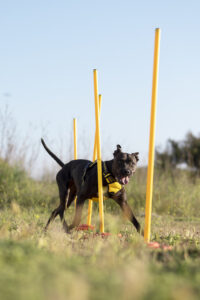
RALLY OBEDIENCE FOR DOGS – TRAINING MADE FUN!

Ever wondered if your dog’s boundless energy could be channeled into something productive and fun? Rally Obedience, often simply called Rally, provides just that opportunity. It’s a sport that requires both the dog and handler to navigate a course of obedience stations, each marked with a sign describing a specific skill to perform.

First introduced by Charles L. “Bud” Kramer in 2000, Rally has swiftly gained popularity, with organizations such as the AKC offering titles in this sport. Unlike traditional obedience competitions, Rally focuses on the dog’s enthusiasm and the handler’s interactive and supportive guidance. According to a recent survey, dogs participating in Rally show improved behavioral traits, strengthening the bond between pet and handler.

What is Rally Obedience for Dogs?

Rally obedience is an enjoyable and competitive dog sport combining elements of traditional obedience and agility. The handler and their dog navigate a course composed of 10 to 20 signs. Each sign instructs the team to perform a specific task, such as heeling, sit, or stay. Handlers are encouraged to use verbal commands and hand signals to guide their dogs through the course. This interactive approach makes Rally an appealing alternative to traditional obedience training.
Rally obedience courses vary in complexity depending on the level of competition. Beginners might find simpler courses with basic commands, while advanced courses can test both dog and handler with intricate maneuvers. Courses are timed, but accuracy and execution are more important than speed. Mistakes can result in point deductions, affecting the team’s score.

One key aspect of Rally is the supportive atmosphere. It’s designed to encourage positive interaction between dogs and handlers. This setting helps build a strong bond while improving the dog’s skills. The welcoming environment makes Rally a popular choice for dog enthusiasts.
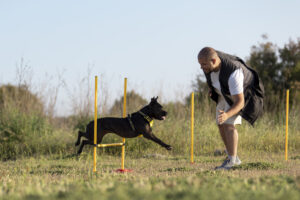
Rally obedience for dogs

Exploring the Basics and Foundations of the Sport
Rally obedience starts with teaching basic commands like sit, stay, and heel. These commands form the foundation for more advanced maneuvers as the dog progresses. Handlers use verbal cues and hand signals to communicate with their dogs. Consistent practice is key to building a strong foundation.
The course consists of a series of numbered signs. Each sign details a specific exercise or skill to perform. For instance, a sign might instruct the dog to circle around a cone or perform a figure-eight. The variety keeps both the dog and handler engaged. Courses are designed to be fun and challenging.
Throughout the training, positive reinforcement plays a significant role. Treats, praise, and toys are commonly used to reward the dog for correct behavior. This approach helps create a positive learning environment. Dogs are more likely to enjoy training sessions and remain motivated.
Competitions offer a chance to test these skills in a controlled environment. Handlers walk through the course with their dogs, performing each exercise as directed by the signs. Judges score based on the precision and accuracy of the performance. The ultimate goal is a seamless partnership between dog and handler.
Key Skills and Commands Used in Rally Obedience
In Rally obedience, a variety of skills and commands are essential for successfully navigating a course. Basic obedience commands such as sit, stay, and down form the core of a dog’s training. Advanced skills build upon these basics, including turns, pivots, and dynamic heelwork.
Handlers employ both verbal commands and hand signals to guide their dogs. Consistency in using these cues is crucial for clear communication. Common commands include:
Sit
Stay
Down
Heel
Front
Pivot
Weave
Specific exercises in a Rally course demand precision, such as weaving through cones, performing figure-eights, or executing tight turns. Judges watch for accuracy and fluidity in executing the tasks, while also looking for enthusiasm and engagement.
Rally Obedience For Dogs
The Benefits of Rally Obedience for Dogs and Handlers
Rally obedience offers numerous advantages for both dogs and their handlers. One of the significant benefits is the improvement in a dog’s behavioral traits. Through consistent training and positive reinforcement, dogs become more attentive, obedient, and responsive.
Another key benefit is the strengthening of the bond between dog and handler. Working together as a team builds trust and mutual understanding. This bond extends beyond the training field, enhancing their daily interactions.
Physical exercise is also a crucial benefit of Rally obedience. The courses are designed to keep dogs active and engaged, helping maintain a dog’s physical health while also benefiting the handler.
Mental stimulation is equally important. Rally challenges dogs to think and solve problems, helping prevent boredom and boosting confidence.

Socialization is another advantage. Dogs and handlers meet others with similar interests. Dogs learn to perform around distractions, and handlers gain insights and support from a community of fellow dog enthusiasts.
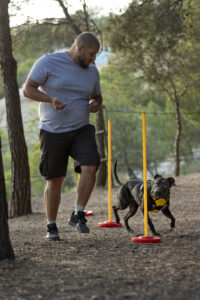
IGP, IGP Dog Sport

How to Get Started with Rally Obedience Training
Starting Rally obedience training requires some basic steps. First, make sure you and your dog are familiar with basic commands like sit, stay, and heel. You can begin training at home using these commands with consistency and positive reinforcement.
Next, find a local Rally obedience class or club. A professional instructor can help you and your dog navigate more complex exercises. Being in a group also provides opportunities for socialization.
Essential equipment includes a sturdy leash, comfortable collar, and plenty of treats. Cones or markers are helpful for practicing specific exercises. Creating a distraction-free training space at home can also be beneficial.
As you progress, familiarize yourself with the signs and exercises used in Rally events. Training consistently will help your dog understand and respond to these cues.
Lastly, consider participating in a beginner Rally obedience competition. Competitions provide accomplishment, motivation, and the chance to join the Rally community.
Competing in Rally Obedience: What to Expect at Events
When you first arrive at a Rally obedience event, you’ll notice a friendly and supportive atmosphere. Handlers and dogs prepare for their turn in the competition ring. The event begins with handlers receiving a map of the course, outlining the exercises to be performed.
Before your run, take some time to walk the course without your dog. During competition, both accuracy and teamwork are judged. Mistakes can lead to point deductions, but maintaining a calm and positive approach is key.
Competitions are divided by classes based on experience levels. Beginners compete in novice classes with simpler tasks, while advanced classes feature complex exercises. Each team’s performance is timed, but precision is more important than speed.
Judges score based on the dog’s response to cues, the handler’s clarity, and overall teamwork. After your run, there’s typically a chance to review your performance with the judge.
Competitors often gather to watch others and share tips. Engaging with the Rally community can provide support and enhance your skills.

Frequently Asked Questions

1. What equipment do I need for Rally Obedience training?
A sturdy leash, comfortable collar, and plenty of treats. Cones or markers are helpful, and a clicker can aid communication.
2. How does Rally Obedience differ from traditional obedience training?
Rally emphasizes fun, interactive teamwork with continuous movement, unlike the more formal and singular-task structure of traditional obedience.
3. What are the benefits of participating in Rally Obedience competitions?
Competitions improve behavior, build bonds, provide physical/mental stimulation, and offer social opportunities with other dog enthusiasts.
4. Are there different levels in Rally Obedience competitions?
Yes. Novice levels feature simpler exercises, while advanced levels include more complex tasks, requiring greater precision.
5. How can I find local Rally Obedience classes?
Check local kennel clubs, dog training schools, community boards, social media groups, or AKC directories.
Conclusion
Rally Obedience offers a dynamic way to enhance the relationship between dogs and their handlers. Its blend of agility and obedience training keeps both parties engaged, while the emphasis on teamwork fosters trust and mutual understanding.

Participating in Rally competitions provides valuable experiences and social opportunities, promoting both physical and mental stimulation. These benefits extend beyond the competition field, enriching the daily lives of both dogs and their handlers.

Leave a Comment