
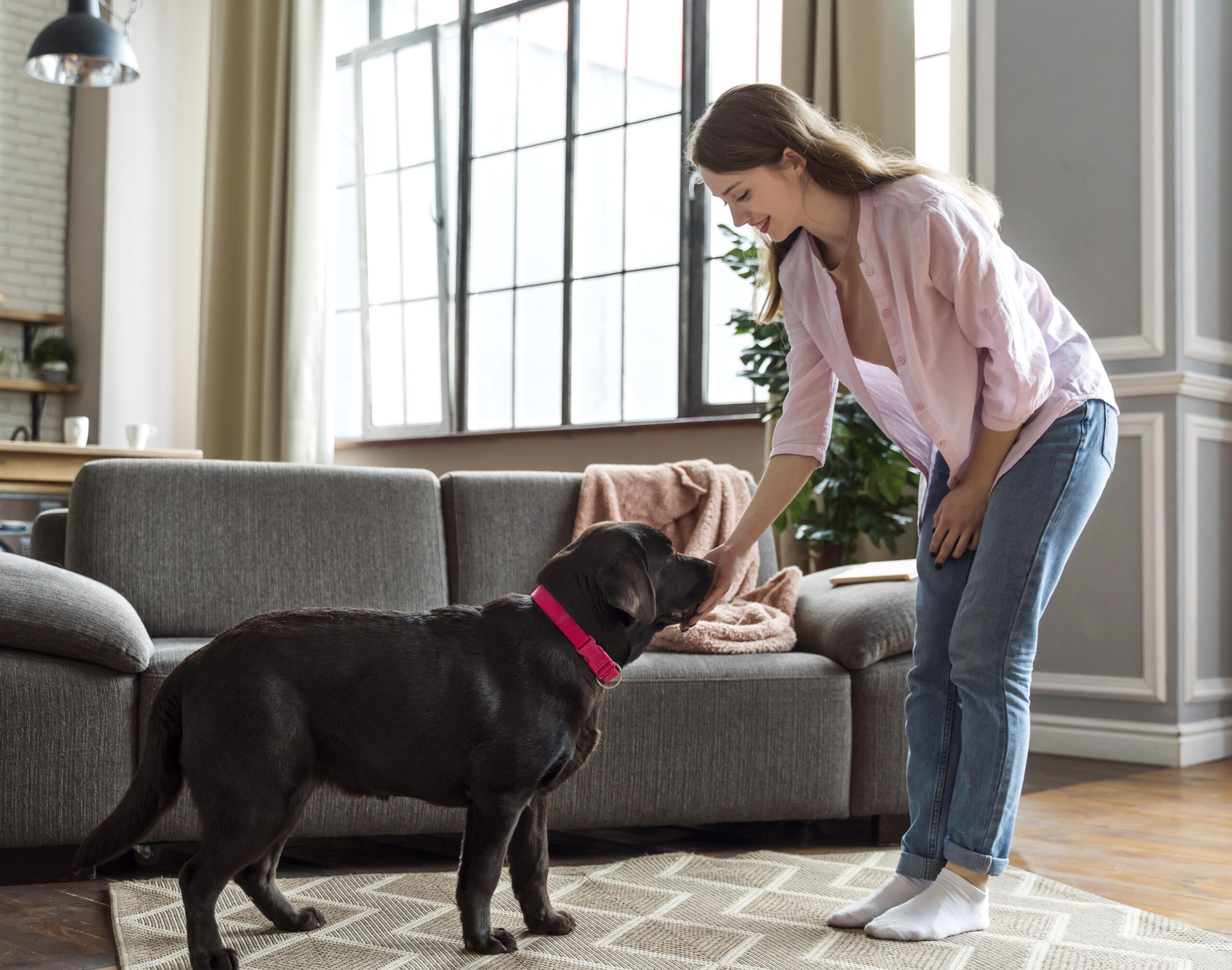
Completing a dog training program is a big achievement, but the real success comes from maintaining those results long after the sessions are over. Dogs do not forget their training overnight, but consistency, structure, and follow through are key to keeping good behavior strong. With the right habits at home, your dog’s training can last a lifetime.
Stay Consistent With Commands and Rules
Dogs thrive on consistency. Use the same commands, tone, and expectations that were introduced during training. If jumping on furniture or pulling on the leash was not allowed during training, it should not suddenly be allowed afterward. Mixed signals can confuse dogs and weaken their responses over time.
Make sure everyone in the household follows the same rules. Consistency from all family members helps reinforce what your dog has already learned.
Practice Training in Everyday Life
Training should not stop just because the program has ended. Short, regular practice sessions help keep skills sharp. This does not need to be time consuming. A few minutes a day is often enough.
You can practice during normal routines such as:
• Asking for calm behavior before meals
• Practicing leash manners during walks
• Reinforcing commands before opening doors
• Using place or recall commands during daily activities
Training works best when it becomes part of daily life rather than a separate task.
Reinforce Good Behavior
Dogs repeat behaviors that are rewarded. Continue reinforcing good behavior with praise, affection, toys, or occasional treats. Rewards do not always need to be food based, but they should be meaningful to your dog.
As time goes on, you can reward randomly instead of every time. This helps maintain reliability while preventing dependency on treats.
Provide Mental and Physical Stimulation
A well exercised dog is more likely to stay focused and well behaved. Physical exercise helps burn excess energy, while mental stimulation keeps your dog engaged and confident.
Helpful activities include:
• Daily walks or structured play
• Training refreshers or new tricks
• Nose work or scent games
• Interactive toys or puzzle feeders
Mental stimulation is especially important for preventing boredom, which can lead to unwanted behaviors.
Address Small Issues Early
Small behavior issues can turn into bigger problems if ignored. If you notice your dog testing boundaries, returning to old habits, or struggling in certain situations, address it right away.
Revisit basic commands, reduce distractions, and reinforce calm behavior. Early corrections help prevent regression and keep training results strong.
Maintain Structure and Routine
Dogs feel secure when they know what to expect. Keeping a regular routine for feeding, walks, exercise, and rest supports good behavior. Sudden changes without structure can lead to stress, anxiety, or confusion.
If changes are unavoidable, such as travel or schedule shifts, provide extra guidance and reinforcement during the transition.

Stay Connected With Training Support
Even after a program ends, ongoing support can be valuable. Refresher sessions, group classes, or occasional check ins with a trainer can help fine tune skills and address new challenges as your dog matures.
Training is not a one time event. It is an ongoing process that evolves as your dog grows and experiences new environments.
Final Thoughts
Maintaining training results is about consistency, patience, and everyday practice. By reinforcing good behavior, providing structure, and staying engaged with your dog, you can ensure that the progress made during training continues long after the program ends. With the right approach, your dog’s training becomes a lasting foundation for a calm, confident, and well behaved companion.