
The Science Behind a Tracking Dog’s Nose
Inside their noses, folds and turbinates expand the surface area for detecting smells, supported by nearly a thousand receptor types (humans have around 400). Combined with a large olfactory bulb, dogs can process scent data rapidly and maintain focus for long periods, making them highly efficient trackers.
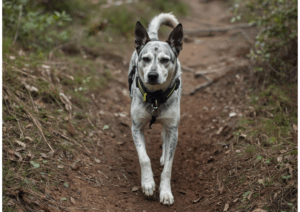
Historical Uses of Tracking Dogs
Training Regimens for Elite Tracking Dogs
Advanced training often includes mock search scenarios, preparing dogs for missions like locating missing individuals, detecting illegal substances, or following aged scent trails. Consistent feedback and adjustment help refine their precision and focus.
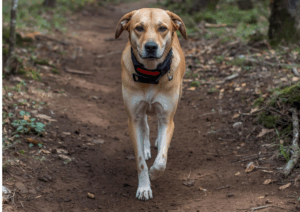
The Future of Tracking Dogs
Frequently Asked Questions
Conclusion
Tracking dogs are extraordinary partners, combining instinct, intelligence, and training to serve humanity in countless ways. From finding missing people to supporting conservation, their role remains irreplaceable. As technology evolves, these dogs will continue to adapt—proving that no machine can match the nose, heart, and dedication of a well-trained tracking dog.
"*" indicates required fields
