
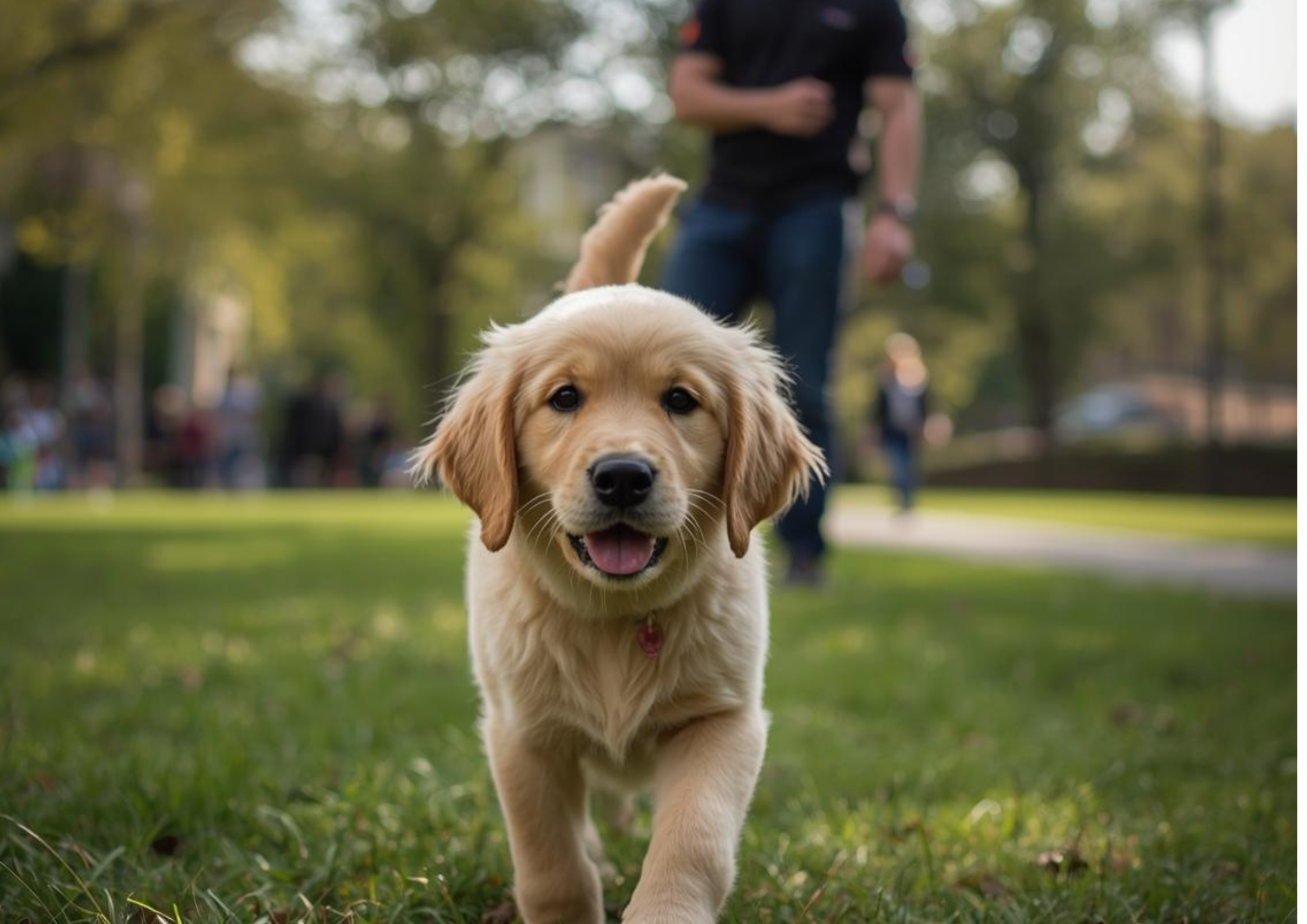
Many dog accidents happen in moments when no one is watching. A few seconds of curiosity or excitement can lead to injuries, escapes, or dangerous situations. Supervision is one of the simplest and most effective ways to keep your dog safe. By staying aware of your dog’s surroundings and behavior, you can prevent problems before they happen.
Dogs Learn Through Exploration
Dogs explore the world with their mouths and paws. This natural curiosity can quickly turn risky if they find something unsafe. Chewing cords, swallowing small objects, getting into trash, or slipping through open doors are common accidents that happen when dogs are left unattended.
Supervision allows you to step in early and redirect behavior before it becomes dangerous.
Indoor Supervision Keeps Your Home Safe
Even well trained dogs need supervision indoors. New items, guests, or changes in routine can create unexpected risks.
Pay attention to:
• Access to cleaning products, food, or medications
• Open doors, balconies, or windows
• Toys that may break into choking hazards
• Cords, candles, or small household items
Watching your dog helps you spot potential dangers and remove them before an accident occurs.
Outdoor Supervision Prevents Bigger Risks
Outdoor environments change constantly. Wildlife, unfamiliar dogs, weather conditions, and damaged fencing can all create hazards.
Supervising outdoor time helps prevent:
• Escaping from the yard
• Encounters with wildlife or aggressive dogs
• Ingesting toxic plants or objects
• Injuries from running, digging, or rough play
Even fenced yards require regular supervision to ensure your dog stays safe.
Supervision Supports Better Behavior
Supervision is not only about safety, it also reinforces training. When you are present, you can reward calm behavior and correct unwanted actions immediately. This helps prevent bad habits from forming and strengthens good behavior over time.
Dogs that are supervised consistently tend to make better choices because they receive clear guidance and feedback.
Use Management Tools When You Cannot Watch Closely
There will be times when constant supervision is not possible. In these situations, management tools help reduce risk.
Helpful options include:
• Crates or playpens
• Baby gates to block unsafe areas
• Leashes indoors for training
• Secure rooms with dog proofed spaces
Management is a proactive safety measure, not a setback.
Teach Independence Safely
Supervision does not mean hovering at all times. It means gradually teaching your dog how to handle freedom safely. As your dog proves they can make good choices, you can increase independence in controlled ways.
This balance helps build confidence while keeping safety a priority.
Final Thoughts
Supervision is one of the most important tools in preventing dog accidents. By staying attentive, using management when needed, and guiding your dog’s behavior, you reduce risks before they become emergencies. Consistent supervision protects your dog, supports training, and creates a safer environment where your dog can thrive.