
Nose work is a structured activity that focuses on a dog’s natural scenting abilities. It trains a dog to locate a specific odor, indicate its presence, and remain focused even in distracting environments. Unlike other sports, nose work relies entirely on scent detection rather than obedience patterns or reward-based approaches. The goal is to help dogs use their instincts with precision, confidence, and control.
What Is Nose Work
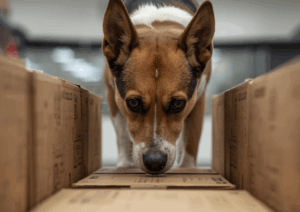
Nose work is a scent detection activity where dogs search for hidden odors in various environments. The activity is inspired by professional detection work such as search operations, detection units, and working canines in law enforcement. Dogs learn to identify a specific target scent and locate its source through systematic searching.
How Nose Work Works
Dogs begin by being introduced to a specific odor. Common scents used in sport-based nose work include birch, anise, and clove. Once a dog learns the target odor, the activity progresses into increasingly challenging environments. These can include rooms, vehicles, outdoor areas, and elevated or inaccessible locations.
Handlers observe the dog’s body language and search pattern. The emphasis is on allowing the dog to work independently while maintaining structure, focus, and clarity in the search routine. Nose work does not require physical strength or speed. It is a mental task that demands concentration and scent discrimination.
Why Nose Work Matters
Nose work helps dogs stay mentally stimulated and reduces unnecessary hyperactivity. It teaches problem solving, environmental awareness, and calm decision making. It is also suitable for dogs that may not excel in physically demanding activities since the work revolves around scent rather than physical exertion.
Working on scent detection can improve a dog’s confidence in unfamiliar environments. Changing search locations teaches adaptability and encourages consistent performance regardless of distractions or unfamiliar smells.
Where Nose Work Can Be Practiced
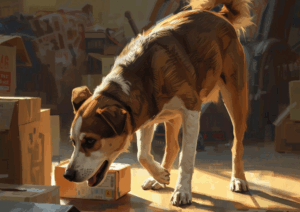
Nose work can be done indoors or outdoors. Many handlers rotate between different search setups such as containers, furniture placement, vehicles, or natural settings. Changing surfaces, airflow, temperature, and scent placement all influence how a dog interprets scent movement.
Indoor searches are stable and controlled while outdoor searches challenge the dog with shifting wind patterns and environmental scents. Vehicles, hallways, parks, yards, garages, and empty rooms are common training areas.
Essential Skills Developed in Nose Work
- Odor identification
- Search pattern structure
- Scent discrimination
- Environmental awareness
- Target odor pinpointing
- Increased mental stamina
- Improved focus duration
Who Nose Work Is For
Nose work is suitable for dogs of all ages, breeds, and activity levels. It does not demand athletic ability or specialized equipment. Even senior dogs or dogs with mobility limitations can participate since the work relies heavily on scent processing rather than physical performance.
Final Thoughts
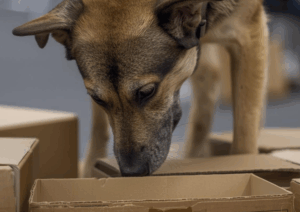
Nose work allows dogs to use one of their strongest natural abilities with purpose and structure. Building reliable scent detection skills strengthens a dog’s confidence, mental endurance, and environmental awareness. Whether practiced for sport, enrichment, or skill development, nose work remains one of the most effective scent-based activities for dogs.
"*" indicates required fields
