
The first few days of spring are the perfect time to reset routines, check your dog’s health, and ease back into outdoor activities safely. Here’s how to make the most of the season while keeping your dog comfortable and protected.
Do a Full Health Check
Before increasing activity, take a moment to check your dog’s overall health. Winter can sometimes hide small issues that become more noticeable when your dog becomes more active.
Look for:
- Changes in weight (gain or loss)
- Overgrown nails
- Dry or irritated skin
- Ear redness or odor
- Lethargy or stiffness
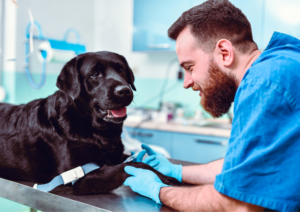
Spring is also a great time to schedule a visit to your vet for a general checkup, especially if your dog hasn’t been seen in a while. This helps catch any issues early and ensures your dog is ready for a more active season.
Refresh Flea, Tick, and Parasite Protection
As temperatures rise, so does the risk of fleas, ticks, and other parasites. These pests become more active in warmer weather and can quickly become a problem if prevention isn’t in place.
Make sure your dog is protected with:
- Flea and tick prevention medication
- Regular checks after outdoor walks
- Proper grooming to spot early signs of pests
Ticks can hide in grass, shrubs, and even urban areas, so this step is especially important if you plan to spend more time outdoors.
Ease Back Into Outdoor Exercise
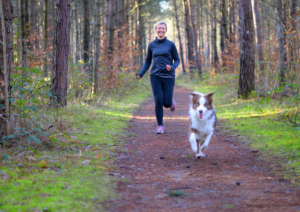
It’s tempting to jump straight into long walks, hikes, or play sessions, but dogs—especially those who have been less active during colder months—need time to adjust.
Start with:
- Short, controlled walks
- Light play sessions
- Gradual increases in distance and intensity
Pay attention to your dog’s energy levels. Panting, slowing down, or lagging behind can be signs they need a break. Building up activity slowly helps prevent injuries and keeps your dog comfortable.
Check Your Dog’s Gear
Spring is a good time to inspect and replace any worn-out equipment. Collars, leashes, harnesses, and even toys can wear down over time.
Make sure:
- Collars and harnesses fit properly and aren’t frayed
- Leashes are secure and in good condition
- ID tags are readable and updated with current contact information
This is also a good time to consider upgrading to a more comfortable harness or leash, especially if you plan to be outdoors more often.
Groom and Clean After Winter
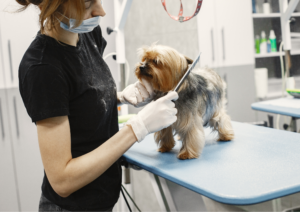
Dogs often carry leftover dirt, debris, or dry skin from winter. A proper grooming session helps your dog feel fresh and comfortable going into spring.
Depending on your dog’s coat, this may include:
- Brushing to remove loose fur and reduce shedding
- A bath using dog-safe shampoo
- Trimming nails and cleaning ears
If your dog spends time outdoors, check paws regularly for cracks or irritation. Changing weather can sometimes make paw pads more sensitive.
Watch for Allergies
Spring is a common time for allergies in dogs. Pollen, grass, and other environmental triggers can cause itching, sneezing, or skin irritation.
Signs to watch for:
- Excessive scratching or licking
- Red or inflamed skin
- Watery eyes or sneezing
If you notice these symptoms, try wiping your dog’s paws and coat after outdoor time to reduce exposure. If symptoms continue, consult your veterinarian for proper treatment.
Reintroduce Training and Structure
After a slower winter routine, spring is a great time to refresh your dog’s training.
Start with:
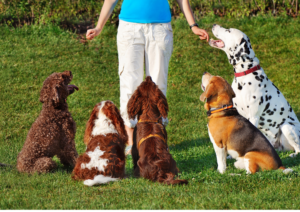
- Basic commands like sit, stay, and come
- Leash walking practice
- Reinforcing calm behavior around distractions
Dogs do best with structure, and a little training each day helps improve behavior while strengthening your bond.
Prepare for More Outdoor Adventures
Spring often means more time at parks, beaches, and open spaces. While this is great for exercise and mental stimulation, it also requires awareness.
Before heading out:
- Make sure your dog is comfortable around other dogs and people
- Practice recall (coming when called)
- Keep your dog on a leash where required
Always bring water and take breaks, especially on warmer days.
Final Thoughts
The first few days of spring are about transition. It’s a chance to move from a slower routine into a more active and engaging season, but it should be done with care.
By checking your dog’s health, easing into activity, and preparing for seasonal changes, you set your dog up for a safe and enjoyable spring. Small steps now lead to a healthier, happier, and more confident dog as the season continues.
Spring isn’t just a change in weather—it’s an opportunity to reconnect, rebuild routines, and enjoy more time together.
