
A lot of people put in the work when their dog is a puppy—potty training, basic commands, maybe even a few classes. Then life settles, the dog grows up, and training slowly fades into the background.
The problem is, dogs don’t stay “finished.” Just like people, they continue to learn, adapt, and respond to their environment. Training isn’t something you complete—it’s something you maintain and build on over time.
Why Training Needs to Continue
As dogs grow, their behavior can change. What worked during puppyhood doesn’t always hold up in adulthood, especially as their confidence, energy levels, and surroundings evolve.
A dog that listened well at six months might start testing boundaries at a year old. New habits—both good and bad—can develop depending on what’s reinforced.
Ongoing training helps keep behaviors consistent and prevents small issues from turning into bigger problems.
Real Life Brings New Challenges
Puppy training usually happens in controlled environments. But adult dogs face more complex situations—crowded areas, unfamiliar people, new routines, and unexpected distractions.
Without continued guidance, dogs may struggle to handle these changes. Pulling on the leash, ignoring commands outside, or reacting to other dogs are common signs that training hasn’t carried over into real-life situations.
Regular practice in different environments helps your dog stay focused and responsive wherever you go.
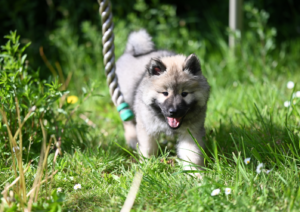
Reinforcing the Basics Matters More Than You Think
It’s easy to assume your dog “already knows” commands like sit, stay, or come. But without reinforcement, those behaviors can weaken.
Think of training like a habit. The more it’s practiced, the stronger it becomes. When it’s ignored, it fades.
Revisiting the basics doesn’t mean starting over—it means keeping those skills sharp so your dog responds reliably, even with distractions.
Mental Stimulation Is Just as Important as Physical Exercise
As dogs mature, physical exercise alone isn’t enough to keep them balanced. They also need mental engagement.
Training provides structure and gives your dog something to think about. Learning new commands, practicing problem-solving, or even simple obedience work can help reduce boredom.
A mentally stimulated dog is less likely to develop unwanted behaviors like excessive barking, chewing, or restlessness.
Training Strengthens Your Relationship
Training isn’t just about control—it’s about communication.
When you consistently work with your dog, they learn to look to you for guidance. This builds trust and makes your dog more attentive in everyday situations.
Dogs that regularly train with their owners tend to be more connected, more responsive, and easier to manage overall.
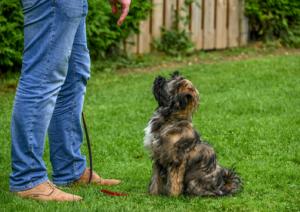
Addressing Behavior Changes Early
Behavior issues don’t appear overnight. They usually start small—pulling a little harder on the leash, ignoring a command once or twice, getting overly excited in certain situations.
If these behaviors are ignored, they often become habits.
Ongoing training allows you to correct and guide your dog early, before those behaviors become harder to manage.
Adapting Training as Your Dog Ages
Training should evolve as your dog grows.
A young, high-energy dog may need more structure and impulse control. An older dog may benefit from slower-paced exercises and mental stimulation that keeps them engaged without overexertion.
Adjusting your approach ensures your dog continues to learn in a way that suits their age and needs.
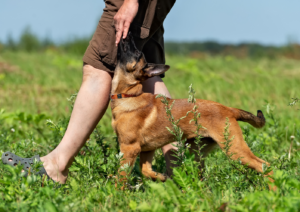
Keep It Simple and Consistent
Continuing training doesn’t mean long sessions or complicated routines. Small, consistent efforts make the biggest difference.
You can build training into daily life:
- Asking for a sit before meals
- Practicing recall during walks
- Reinforcing calm behavior at home
These small moments add up and help maintain good habits without feeling like extra work.
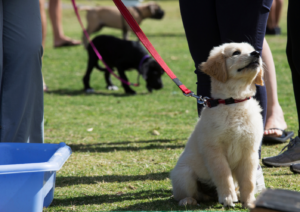
Final Thoughts
Training doesn’t stop after the puppy stage—it simply changes.
As your dog grows, ongoing training keeps them balanced, responsive, and confident in different situations. It also helps you stay connected, making everyday life smoother and more enjoyable.
You don’t need to start from scratch or dedicate hours each day. Just stay consistent, stay clear, and keep showing your dog what you expect. Over time, that consistency is what turns basic training into lifelong behavior.
"*" indicates required fields
