
Dogs may not speak our language, but they are constantly communicating. Every movement—tail wag, ear position, posture, even the way they look at you—means something. The problem isn’t that dogs don’t communicate. It’s that we often don’t recognize what they’re saying.
Learning to read your dog’s body language helps you respond better, prevent problems, and build a stronger, more trusting relationship.
Why Body Language Matters
Most behavior issues don’t come out of nowhere. Dogs usually give subtle signals before reacting—whether it’s excitement, fear, or discomfort.
When you understand these early signs, you can step in before a situation escalates. This is especially important around new people, other dogs, or unfamiliar environments.
Good communication isn’t just about teaching commands. It’s about understanding what your dog is already telling you.
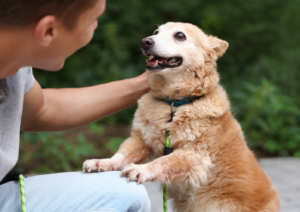
The Tail Doesn’t Always Mean “Happy”
A wagging tail is often misunderstood. While it can mean happiness, it really just signals emotion—and that emotion isn’t always positive.
- Loose, relaxed wag → usually friendly and happy
- High, stiff wag → alert or possibly overstimulated
- Low or tucked tail → nervous, unsure, or scared
Pay attention to the whole body, not just the tail. A wag combined with stiffness or tension can mean something very different than a relaxed, wiggly dog.
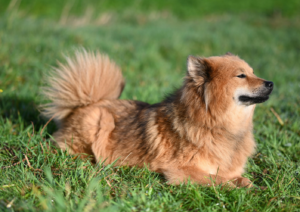
Ears Say a Lot
Your dog’s ears can quickly tell you how they’re feeling.
- Relaxed ears → calm and comfortable
- Ears forward → alert, focused, or curious
- Ears pinned back → anxious, fearful, or submissive
Some dogs naturally have floppy or upright ears, so focus on movement and tension rather than just position.
Watch the Eyes
Eyes are one of the clearest indicators of a dog’s emotional state.
- Soft, relaxed eyes → calm and content
- Wide eyes (whale eye) → stress or discomfort
- Hard staring → tension, possible warning
If your dog avoids eye contact, it can be a sign of stress or an attempt to de-escalate a situation.
Body Posture Tells the Full Story
A dog’s overall posture often gives the most accurate picture of how they feel.
- Loose, wiggly body → relaxed and friendly
- Stiff, frozen posture → uncomfortable or on edge
- Crouched or lowered body → fear or insecurity
- Leaning forward → alert, possibly challenging
When a dog becomes very still, that’s often a warning sign—not calmness.
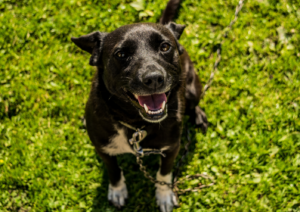
Common Stress Signals
Dogs often show small signs of stress before reacting in a bigger way. These are easy to miss if you’re not looking for them.
Watch for:
- Lip licking (when not eating)
- Yawning in non-tired situations
- Turning their head away
- Sniffing the ground suddenly
- Slow movements or freezing
These behaviors are your dog’s way of saying they’re uncomfortable. Recognizing them early helps you remove pressure before things escalate.
Play vs. Tension
Sometimes excitement and tension can look similar, especially during play.
Healthy play usually includes:
- Loose, bouncy movements
- Play bows (front legs down, rear up)
- Taking turns during interaction
Tension, on the other hand, may look like:
- Stiff movements
- One dog constantly chasing or pinning
- Growling with a rigid body
Knowing the difference helps you step in when needed and allow safe play to continue.
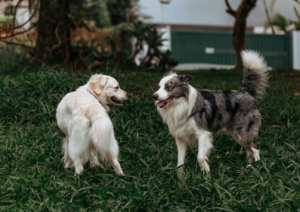
Context Always Matters
Body language doesn’t exist in isolation. The environment, situation, and your dog’s personality all play a role.
A wagging tail at home may mean something completely different than a wagging tail in a crowded park. Always look at the full picture—body language, surroundings, and what’s happening in the moment.
Build Better Communication
Understanding your dog’s body language isn’t about memorizing signs—it’s about paying attention.
Spend time observing your dog in different situations. Notice how they react to new people, other dogs, or changes in environment. The more you watch, the easier it becomes to recognize patterns.
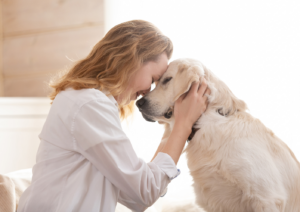
When you respond appropriately to your dog’s signals, they start to trust that you understand them. That trust leads to better behavior, less stress, and a stronger bond.
Final Thoughts
Your dog is communicating with you every single day, even without making a sound. The more you learn to read their body language, the clearer that communication becomes.
It’s not about being perfect—it’s about being aware. Small signals can tell you a lot, and noticing them early can prevent bigger problems later on.
When you understand what your dog is saying, everything else—training, behavior, and your relationship—starts to fall into place naturally.
"*" indicates required fields
