
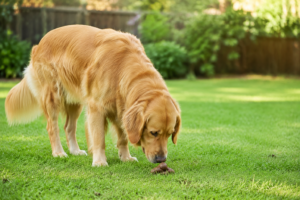
Understanding Why Dogs Eat Poop (and How to Stop It)
Catching your dog eating poop is one of those moments every owner remembers. It is unpleasant, a little alarming, and it usually raises the same question: why do dogs eat poop in the first place? The good news is that this behavior, known as coprophagia, is more common than most people realize and is not automatically a sign that something is deeply wrong with your dog. In many cases, it comes down to curiosity, habit, boredom, scavenging, or how the behavior has been handled in the past. Understanding the “why” is the first step toward addressing it calmly and effectively.
Key Takeaways
- Coprophagia (eating feces) is a common behavior in dogs, especially puppies.
- Causes range from curiosity and habit to boredom, stress, attention-seeking, or hunger.
- Sudden or frequent poop eating in an adult dog may be worth discussing with a veterinarian.
- Punishment is not recommended and may increase anxiety around elimination or make the behavior harder to manage.
- Supervision, cleanup, and structured training are the most reliable ways to reduce it.
- Commands like leave it, recall, and place can help owners manage the behavior in real time.
What Does It Mean When Dogs Eat Poop?
Coprophagia simply refers to a dog eating feces, whether it is their own, another dog’s, or even a cat’s litter box waste. It is one of the more common behavior questions dog owners bring up, and it can happen at any age, though it shows up most often in puppies.
To be clear, coprophagia is a behavior, not a diagnosis. It does not automatically mean a dog is sick, malnourished, or poorly cared for. For many dogs, it is simply a learned or situational habit that can be reduced with consistent management and training.
Why Do Dogs Eat Poop?
There is not one single answer to why dogs eat poop, because the behavior usually comes from a mix of instinct, environment, and learned habit.
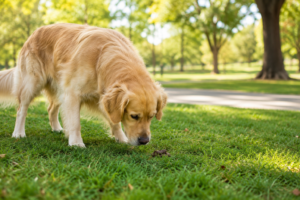
Curiosity and exploration. Dogs, especially young ones, explore the world with their nose and mouth. Poop is simply another object in the environment they investigate, and for some dogs, that investigation turns into a habit.
Puppy development. Mother dogs naturally clean up after their puppies, including eating waste to keep the den area tidy. Puppies also go through a phase of exploring the world with their mouths, which can include sampling feces. Many puppies reduce or outgrow the behavior as they mature and their environment becomes more structured, but some need consistent management and training to break the habit.
Boredom and lack of stimulation. A dog that is under-exercised or left without enough mental engagement may turn to unusual behaviors, including poop eating, simply to occupy themselves.
Stress and lack of structure. Stress, anxiety, insufficient stimulation, or an unpredictable routine may contribute to coprophagia in some dogs. Without clear structure at home, some dogs may also explore or engage with whatever is available in the yard, including feces.
Attention-seeking. Dogs quickly learn what gets a reaction from their owner. If eating poop consistently results in a big response, whether it is scolding, chasing, or even laughing, some dogs learn that this behavior reliably gets attention, and they repeat it.
Hunger or scavenging instinct. Some dogs are strong scavengers by nature and will investigate or eat anything that smells interesting, especially if they are highly food motivated. If a dog suddenly seems unusually hungry, starts eating feces frequently, or shows weight or digestion changes, it is worth discussing with a veterinarian.
Cleanup behavior and lack of supervision. If poop is left in the yard for extended periods, dogs have more opportunity to interact with it. Unsupervised outdoor time gives dogs additional opportunities to investigate and eat stool, allowing the habit to continue.
When Poop Eating Could Point to a Health Concern
While coprophagia is usually behavioral, there are situations where it is worth paying closer attention. A sudden change in an adult dog who has never shown interest in poop before can be a signal. So can poop eating that occurs alongside other symptoms, such as increased hunger, weight changes, digestive upset, or changes in stool.
In some cases, underlying issues with digestion, nutrient absorption, parasites, or increased appetite can play a role. This is not something an owner can diagnose at home. If the behavior appears suddenly, happens frequently, or comes with changes in appetite, weight, stool, energy, or overall health, a veterinarian is the right resource to rule out an underlying medical cause before assuming it is purely behavioral.
How to Stop Dogs From Eating Poop
Once medical causes have been ruled out or are unlikely, the most effective approach combines management with training.
Supervise outdoor time. Especially early on, stay with your dog during bathroom breaks so you can redirect them before they have the chance to investigate stool.
Clean up promptly. Removing waste from the yard quickly limits the opportunity for the behavior to happen at all. This is one of the simplest and most effective tools available.
Limit access. If your dog is drawn to a cat’s litter box or another pet’s waste, block access with a gate or place the litter box somewhere the dog cannot reach.
Stick to a consistent schedule. Regular feeding times and predictable potty breaks reduce hunger-driven scavenging and give your dog fewer unsupervised opportunities.
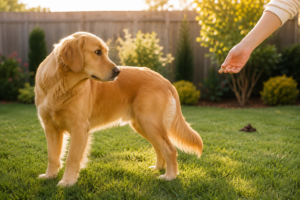
Redirect calmly. If you see your dog approaching poop, use a cheerful, neutral tone to call them away rather than reacting with alarm. This keeps the moment low-stakes instead of turning it into a spectacle.
Dog Training Tips for Better Outdoor Habits
Beyond supervision and cleanup, a few practical dog training tips can make a real difference in managing this behavior long-term.
Leave it command. Teaching a solid leave it gives you a way to interrupt your dog the moment they show interest in something on the ground, before the behavior even starts.
Recall training. A dog with a reliable recall can be called away from poop, trash, or anything else they should not be investigating, even if they are several feet away or off-leash in a safe area.
Place command. Teaching your dog to go to a designated spot and hold position is useful during yard cleanup or when you need a moment to manage the environment without your dog wandering.
Leash control. During walks, controlled leash handling prevents your dog from making a beeline for stool on the sidewalk or in a neighbor’s yard, giving you the ability to redirect before contact happens.
These commands are not just useful for poop eating. They build overall obedience, which makes outdoor time in Ft. Myers, whether on a neighborhood walk, in your own backyard, or in a dog-friendly public area, more manageable and less stressful for both of you.
Common Mistakes That Can Make the Behavior Worse
Punishing the dog after the fact. Scolding or punishing a dog once they have already eaten poop does not teach them what to do differently. Harsh reactions may increase anxiety around elimination and, in some cases, encourage the dog to consume stool more quickly when an owner approaches.
Reacting with big emotion. Yelling, chasing, or dramatic reactions can unintentionally reinforce the behavior, since any attention, even negative attention, can feel rewarding to a dog that is seeking interaction.
Inconsistent supervision. Watching your dog closely for a few days and then letting it slide sends mixed signals and slows progress.
Leaving waste in the yard. Without cleanup, dogs have ongoing access, and the habit has more chances to continue.
Skipping the “why.” Addressing only the symptom without considering boredom, stress, or lack of structure in your dog’s routine often leads to the behavior resurfacing elsewhere.
When to Get Professional Help
Many behavioral cases of coprophagia can be managed with consistent supervision, prompt cleanup, and structured training. If the behavior continues despite your best efforts, or if it appears connected with severe anxiety, timidness, or other broader behavior concerns, contact the Fort Myers training team to discuss which training option may be appropriate.
A trainer can help you strengthen obedience and management skills such as Come, Place, and leash control so you have practical tools to redirect your dog in real time. This is especially helpful for dogs that struggle with focus around distractions or that have not yet developed reliable calm behavior indoors and outdoors.
Final Thoughts
So, why do dogs eat poop? Common behavioral contributors include curiosity, habit, boredom, stress, scavenging, and learned responses to attention. It is rarely a reflection of poor ownership, and with patience, supervision, and consistent training, it is a behavior most owners can successfully manage.
Focus on prevention first: supervise, clean up promptly, and reduce opportunities for the behavior to happen. Layer in dog training tips like leave it, recall, and place work to give yourself practical ways to redirect your dog. And if the behavior is sudden, frequent, or paired with other symptoms, loop in your veterinarian to rule out a medical cause.
If your dog’s poop-eating habit is tied to boredom, lack of structure, or gaps in basic obedience, reach out today to speak with a professional trainer. The right guidance can help you build stronger outdoor manners, better obedience, and calmer, more predictable habits at home and out in public.
FAQs
Is it normal for dogs to eat poop?
Yes, coprophagia is a common behavior, particularly in puppies who are still exploring their environment. Many dogs reduce or stop this behavior as they mature, especially with consistent supervision and structure.
Why does my puppy eat poop but my older dog doesn’t?
Puppies are more likely to eat poop because they explore the world through their mouths and are still learning what is and is not appropriate to investigate. Many puppies reduce or stop this behavior as they develop and their environment becomes more structured, but supervision and cleanup are still important.
Can stress or boredom really cause a dog to eat poop?
Yes. Dogs that lack mental or physical stimulation, or that feel anxious or unsettled, sometimes develop unusual coping behaviors, including coprophagia. Adding structure, enrichment, and a predictable routine can help reduce these triggers.
Should I punish my dog for eating poop?
No. Punishment after the fact does not teach your dog what to do instead, and it can increase anxiety around bathroom time. A calmer, more effective approach is prevention through supervision, cleanup, and redirection using commands like leave it.
When should I be concerned about my dog eating poop?
If the behavior starts suddenly in an adult dog, happens frequently, or is paired with changes in appetite, weight, or digestion, it is worth discussing with your veterinarian. This helps rule out an underlying medical cause before addressing it as a purely behavioral issue.
