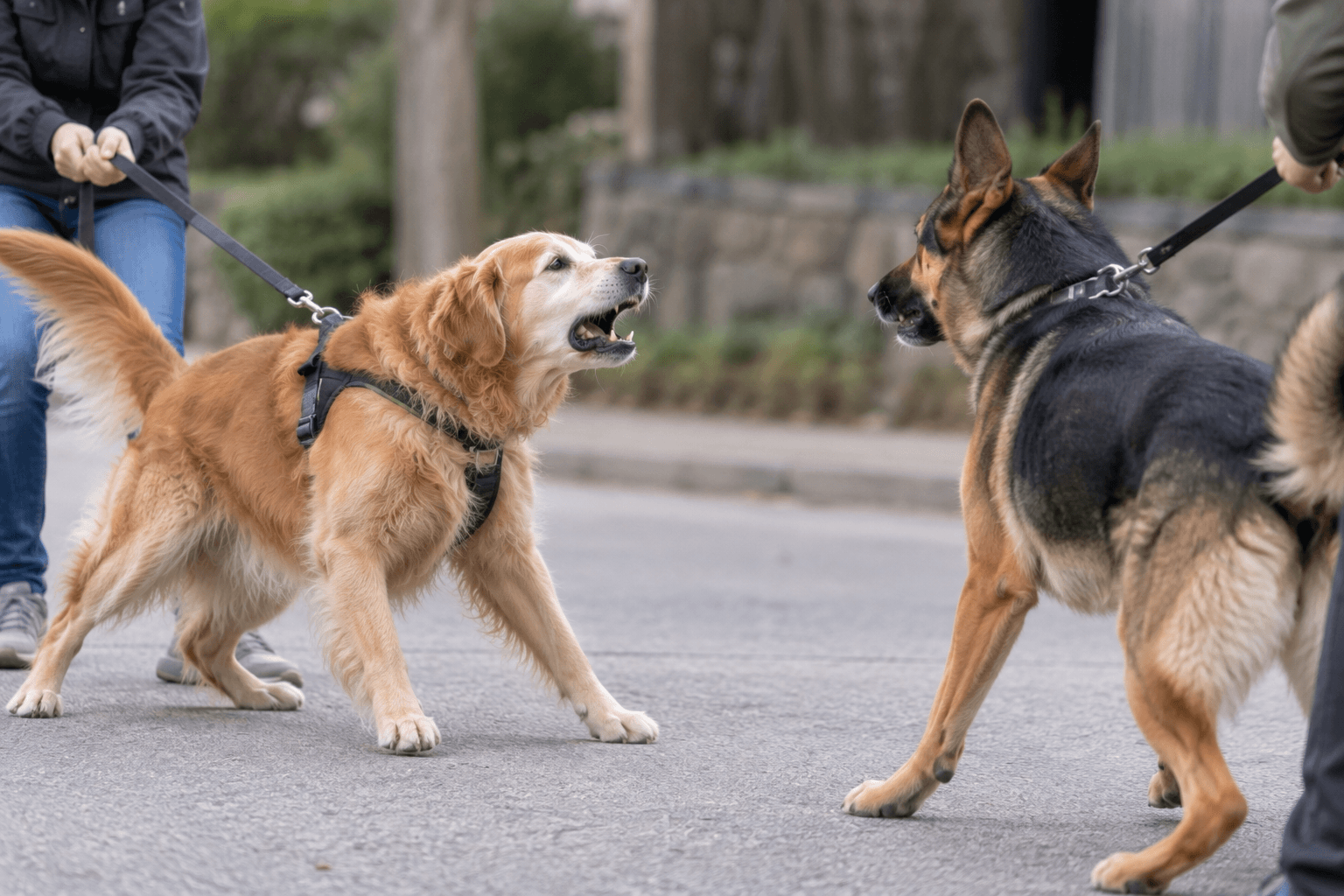
Dog Growling: Common Causes and How Owners Should Respond

Key Takeaways Dog growling is a normal form of communication and does not always mean a dog is aggressive. Growling may occur during play, fear, discomfort, frustration, pain, or conflict.  Context, body language, and the surrounding situation help owners understand what a growl may mean.  Owners should avoid punishing growling. Instead, create space, remain calm, … Read more

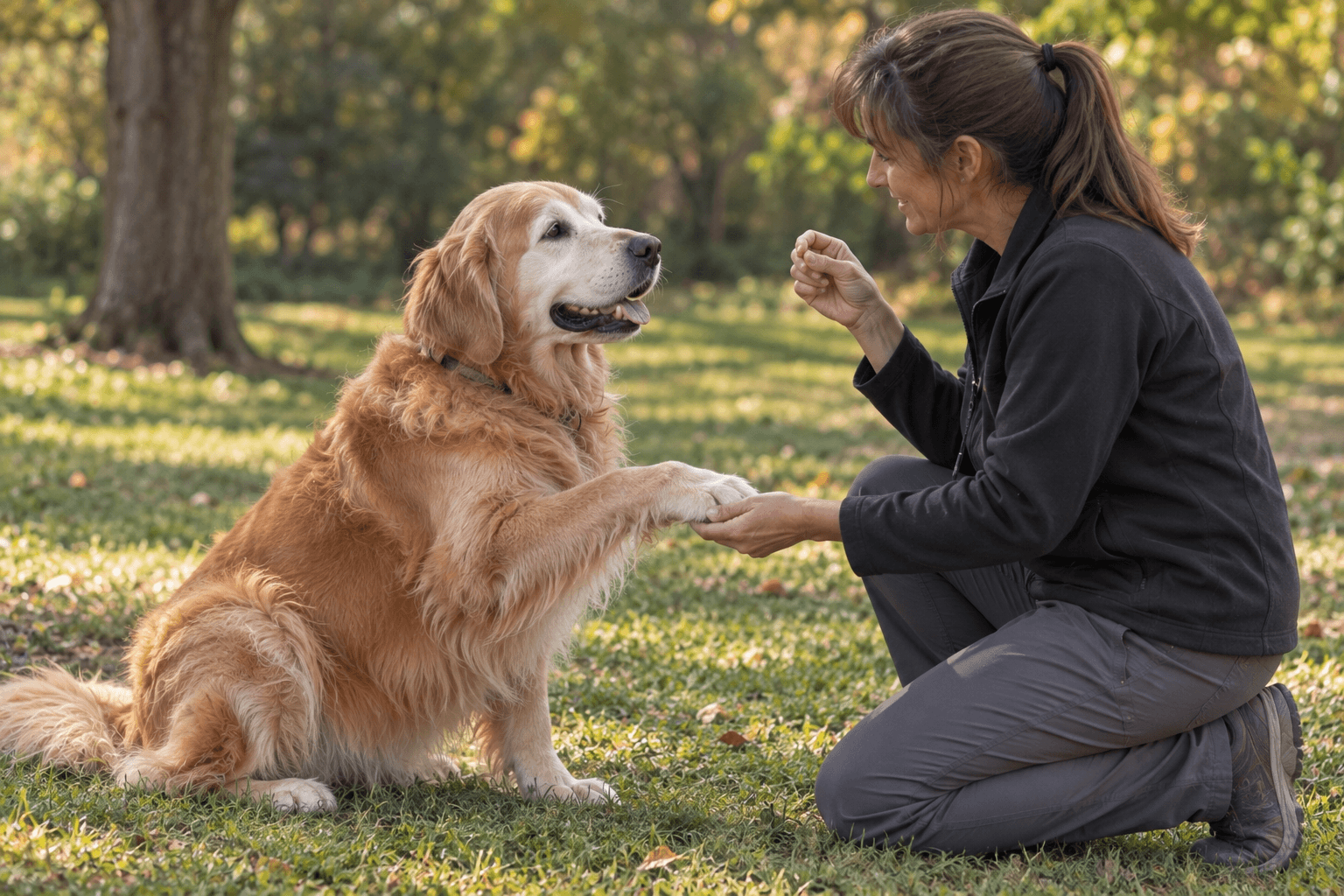
How to Calm a Hyper Puppy: Simple Ways to Build Better Habits

Key Takeaways High energy and zoomies are normal for a hyperactive puppy, but structure and training help them settle. Calm behavior comes from a consistent puppy routine, age-appropriate exercise, and mental stimulation. Obedience skills like sit, down, place, recall, and leash manners build impulse control and calmer habits. Overstimulation and overtiredness are often the real … Read more

How to Calm an Overexcited Dog in Everyday Situations

How to calm over-excited dog with place command

Key Takeaways Overexcitement is common and often triggered by guests, walks, food, toys, car rides, or other dogs.  Calm routines, structure, and clear expectations are the foundation of calm dog training and better impulse control. Obedience skills like sit, down, place command, heel, and recall help channel a dog’s excitement into focused behavior. Avoid rewarding … Read more

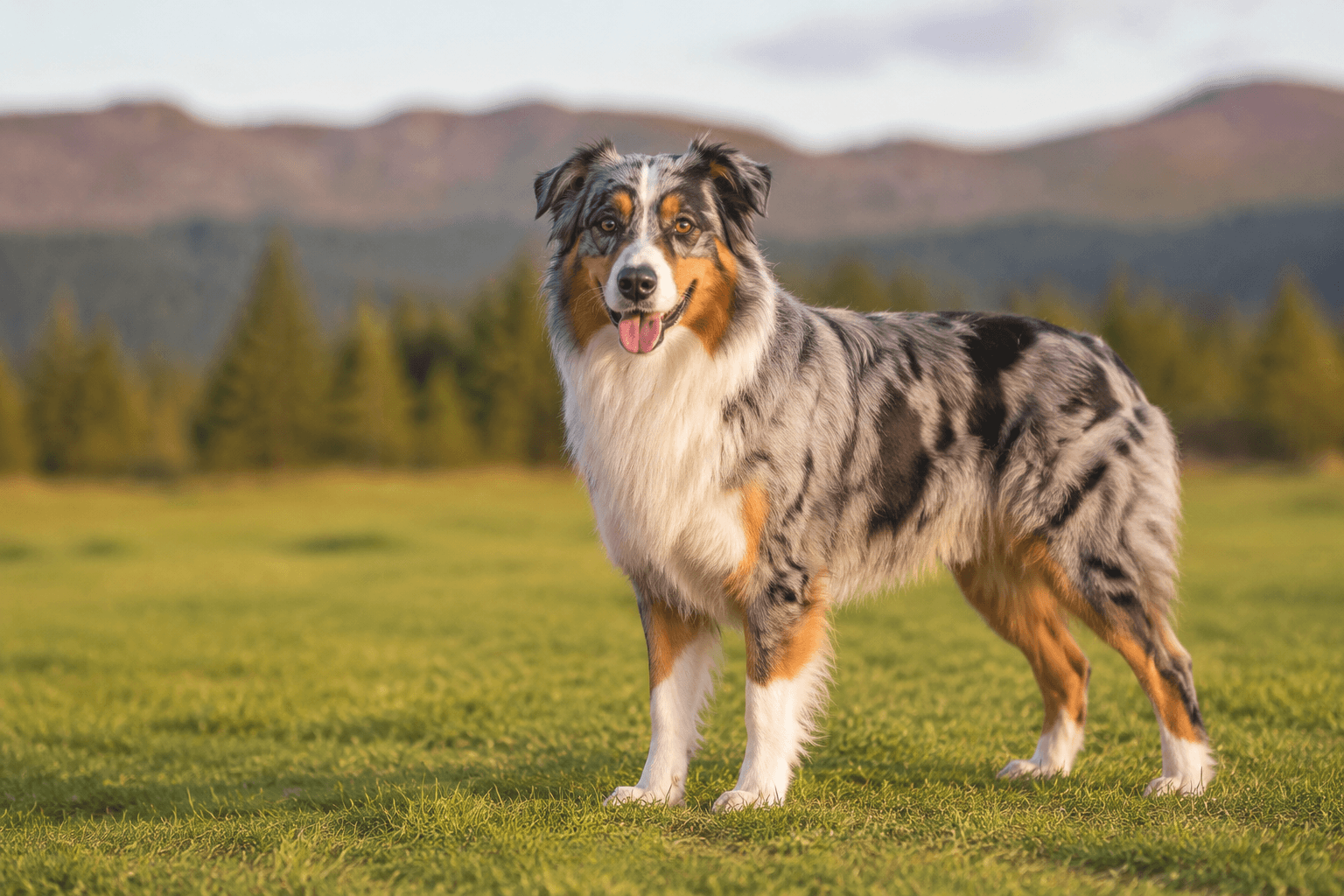
Dog Shaking From Excitement: Why It Happens and How to Help Your Dog Stay Calm

Dog shaking excitement calmed by owner at home

Key Takeaways A dog shaking in excitement is often a normal response to happiness, anticipation, and high arousal. Excited dog behavior usually includes a loose, wiggly body, a soft face, movement toward the trigger, and an open or relaxed mouth. A wagging tail should always be read with the dog’s full body language.  Shaking can … Read more

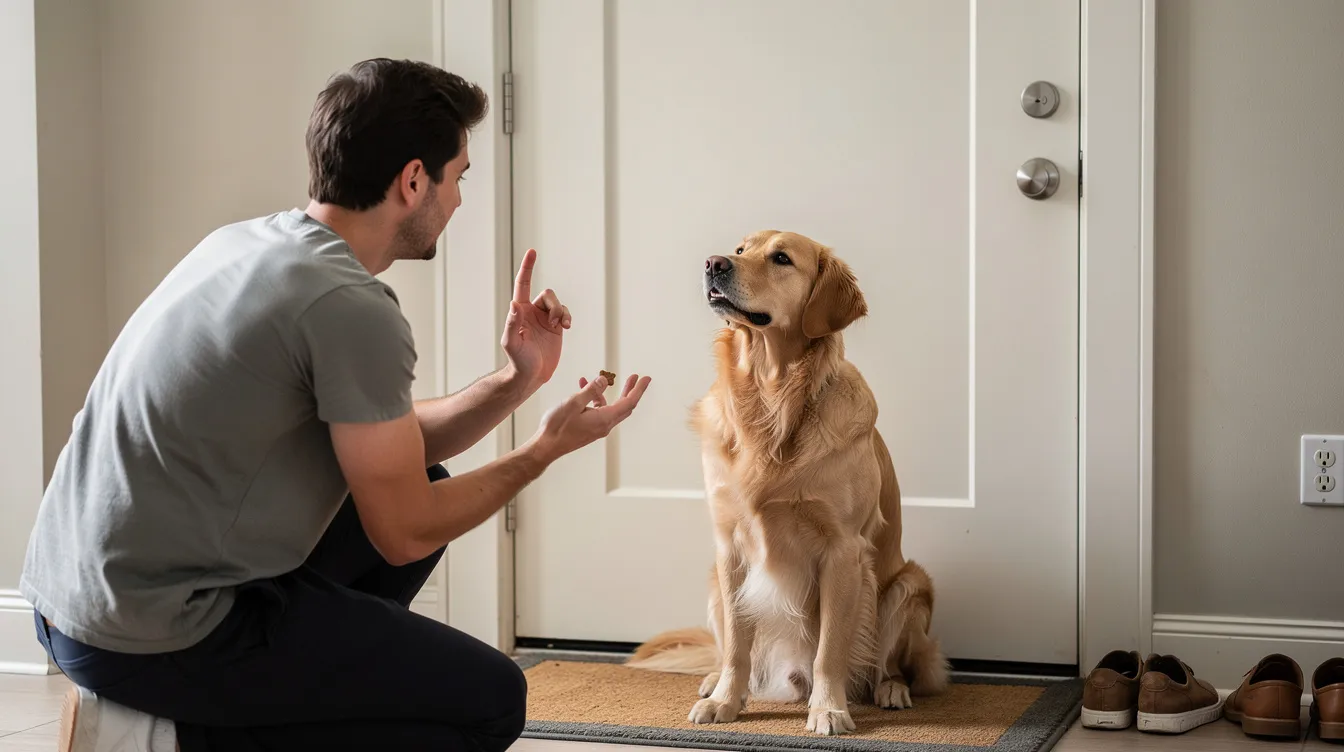
How to Stop a Dog From Barking: Training Tips for Calmer Behavior

How to stop a dog from barking with calm place training

Key Takeaways Barking is normal communication, but constant dog barking at the front door, window, fence, or at people can be reduced with training. To stop barking, identify the cause first: boredom, fear, excitement, alerting, frustration, or demand barking. Clear cues, dog obedience, structure, impulse control, exercise, and mental stimulation help build calm behavior. Reward-based … Read more