
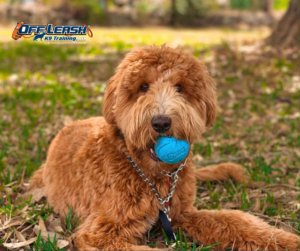
Teaching “drop it” is one of the most practical skills you can work on with your dog. Whether you have a puppy exploring the world mouth-first or an adult dog who treats every sock like a prized trophy, the cue can help you recover objects and keep play moving. This guide explains a reward-based training progression, along with situations that require professional or veterinary help.
Owners often want this skill for safer object exchanges and smoother games of tug or fetch. The exercises below use rewards rather than chasing or forcibly removing toys. Practice only with safe objects and a relaxed dog. If your dog guards possessions, shows discomfort, or has a bite history, seek professional guidance before trying these exercises.
Quick answer: Start with a safe toy your dog readily releases for a treat. Mark and reward the release, add “drop it” once the exchange is predictable, and gradually fade the visible food prompt. Practice with different safe toys and manageable distractions, progressing at your dog’s pace.
Here’s what you’ll walk away with:
- What “drop it” means and how it differs from “leave it.”
- A gradual progression from easy indoor trades to appropriate distractions.
- Ways to address common training difficulties without chasing or forcing.
- When to stop practicing and get professional or veterinary help.
Understanding the “Drop It” Command
“Drop it” asks your dog to release an item already in its mouth. You can work toward a prompt, voluntary response, but no cue guarantees a release in every situation.
The skill is useful during fetch, tug, and everyday object exchanges. It may also help if your dog picks up something inappropriate. Preventing access to hazards remains essential, and suspected ingestion or injury requires veterinary advice even if your dog releases the item.
What “Drop It” Means to Your Dog
Giving up a toy is easier to teach when releasing it leads to something your dog values. That might be a treat, another toy, or the chance to resume a game. Begin with an easy exchange rather than assuming your dog should surrender every possession.
A familiar marker, such as “yes” or a click, can identify the release you want to reward. Mark as your dog lets go, then provide the reward. With practice, you can fade the visible food prompt so the verbal cue comes before the release.
The aim is to make releasing a toy worthwhile, not to trick your dog into losing it.
“Drop It” vs. “Leave It” and “Give”
These cues serve different purposes:
- “Leave it” asks your dog to disengage from something before picking it up or interacting with it.
- “Drop it” asks your dog to release an item already in its mouth.
- “Give” or “out” can be alternative release cues. Choose consistent wording, or teach clearly different meanings if you use more than one.
Teaching both “leave it” and “drop it” gives you options before and after your dog picks up an object. Neither replaces supervision or keeping hazards out of reach. A fishhook or attached fishing line is a veterinary concern; do not assume it can be safely handled through a routine trade.
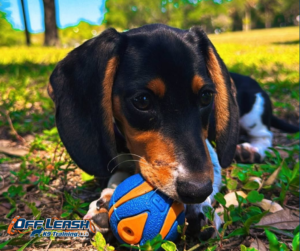
Where and When You’ll Use “Drop It” in Real Life
Dogs may need practice to respond to a familiar cue in a new setting. A dog that releases a toy in the kitchen may find the same task harder outdoors.
Introduce new locations and distractions gradually, using safe toys rather than recreating dangerous situations.
Everyday Home Scenarios
Your dog might pick up a sock, remote, or child’s toy. Chasing can make retrieval harder by turning it into a game or increasing concern about losing the item.
If your dog picks up a household item, a practiced cue may help an adult recover it without a chase. Children should not try to take objects from a dog. Keep trash and unsafe items inaccessible, and contact your veterinarian if a dangerous object may have been swallowed.
Playtime: Tug and Fetch
During tug, “drop it” can provide a pause before the game resumes. During fetch, releasing the toy allows another throw.
You can also trade between two suitable toys during play. Offer the second toy as an incentive to release the first, then continue the game. Outdoor practice should follow the location’s leash rules and use appropriate supervision.
Safety and Emergency Situations
“Drop it” may help with an object your dog has not swallowed, but an emergency is not a training session. If your dog may have swallowed medication, a toxic substance, or a foreign object, contact a veterinarian promptly. For suspected poisoning, ASPCA Poison Control can also advise you. Do not induce vomiting unless a veterinary professional directs you.
Seek emergency veterinary care immediately for breathing difficulty. An embedded hook or fishing line also needs veterinary attention; do not pull on the line. Avoid blind attempts to reach into your dog’s mouth.
If your dog stiffens, growls, snaps, or guards an item, keep people away and seek professional guidance. These responses are not limited to particular breeds. The exercises below are for a relaxed dog using safe training toys.
How to Teach a Dog to Drop It: Step-by-Step Training Plan
Start in a quiet room and progress only while your dog remains comfortable and successful. This plan uses rewarded trades. If your dog shows guarding, fear, or tension, stop and seek guidance before continuing.
Step 1: Set Up Your Training Environment and Rewards
Choose a quiet indoor area with secure footing and few distractions. Keep other pets and children out of the practice space.
Aim for a few comfortable exchanges rather than a long session. End before your dog loses interest or becomes frustrated.
Gather:
- An intact, appropriately sized dog toy your dog readily exchanges.
- Small treats your dog enjoys and can safely eat.
- An optional clicker or a familiar verbal marker.
- A clear practice area without access to unsafe objects.
Keep rewards within easy reach. A visible treat can help establish the first exchanges; later, you will fade that prompt while continuing to reward the release.
Step 2: Establish an Easy Trade
Begin by making a safe exchange easy before adding the verbal cue.
- Let your relaxed dog take the practice toy.
- Offer a treat without reaching for the toy or crowding your dog.
- As your dog releases the toy, mark the release and give the treat.
- Return the safe toy when your dog is comfortable so the exchange can lead back to play.
If your dog will not release, choose an easier toy or a more appealing reward. Do not pull the toy free. Keep sessions brief and stop if your dog becomes uncomfortable.
Step 3: Add the “Drop It” Cue
Once your dog readily releases the toy for the reward, introduce the words.
- Let your dog take the same easy toy.
- Say “drop it” once, just before offering the familiar treat prompt.
- Mark the release and reward.
- Resume play with the safe toy when appropriate.
Repeat a few comfortable exchanges, then take a break. Progress depends on the individual dog, not a set number of sessions.
Step 4: Fade the Visible Reward Prompt
Now begin fading the visible food prompt.
- Say “drop it” once before showing the treat.
- Allow a brief opportunity for your dog to release the toy.
- If your dog releases, mark and reward promptly.
- If not, use the familiar prompt or return to an easier exchange rather than repeating the cue or waiting your dog out.
Keep rewarding successful releases. A treat, another toy, or resumed play can work when your dog values that outcome. Responding without seeing food is different from working without rewards.
Step 5: Practice with Different Safe Toys
Once easy trades are consistent, practice with other intact, appropriately sized dog toys. Increase the toy’s appeal gradually while keeping the exchange comfortable.
Do not use wrappers, socks, shoes, bones, medications, or objects your dog could swallow. A leash does not make an unsafe object suitable for practice.
If your dog hesitates, use an easier toy or a more appealing reward. If you notice tension or guarding, stop and seek guidance rather than increasing the challenge.
Step 6: Add New Settings and Distractions Gradually
A response that is easy indoors may be harder around unfamiliar sights, sounds, or smells.
Begin in a quiet, secure outdoor area with an easy toy. Keep your dog on an appropriately managed leash or line when needed, supervise continuously, and avoid traffic, water hazards, and crowded dog areas.
Change one challenge at a time, such as location or distraction level. Returning the toy or resuming fetch can reward the release when your dog enjoys that game.
If your dog struggles, make the task easier. Success in one setting does not guarantee a release with every item or in every environment.
Choosing Rewards and Training Support
Food and play are reward options; professional support is help choosing and implementing a suitable plan. Use rewards your dog values, and seek guidance when discomfort, guarding, or safety concerns complicate practice.
Reward Options and Training Support Compared
| Option | Useful When | Important Limitation |
| Food rewards | Your relaxed dog readily trades a safe toy for food | Fade the visible prompt gradually; continue rewarding |
| Toy or play rewards | Your dog enjoys switching toys or resuming a game | Avoid increasing excitement beyond comfortable control |
| Professional guidance | You need coaching or your dog shows guarding, fear, or difficulty | Suitability and progress require individual assessment |
A trainer can help you choose rewards, adjust the exercise, and recognize when the plan needs to change. For guarding or a bite history, seek a professional experienced in those concerns and discuss veterinary involvement. Do not assume a standard obedience or boarding package addresses resource guarding.

Common “Drop It” Problems and How to Respond
Setbacks can mean the exercise is too difficult, the reward is not appealing, or your dog is uncomfortable. Note the toy, location, prompt, and response so you can adjust practice. Guarding or sudden changes need assessment rather than repeated attempts.
Problem 1: Your Dog Runs Away with the Item
Chasing may turn object retrieval into a game or make your dog more worried about losing the item. For practice, choose a clear, secure area and an easy toy rather than relying on pursuit.
What to do:
- Remove access to unsafe household items before practice.
- Use an easier toy and a reward your dog readily accepts.
- If needed, ask a trainer how to manage a supervised leash without creating restraint-related tension or entanglement.
- Do not assume that calling or moving away will make your dog release an object.
Problem 2: Your Dog Guards or Growls Over Items
Stiffening, freezing, growling, snapping, or guarding an object are reasons to stop the exercise and seek professional guidance.
Safety-first steps:
- Do not corner your dog, punish growling, or reach for the guarded item.
- Keep children and other pets away.
- Prevent access to unsafe objects through storage and appropriate barriers.
- Do not restart trading drills on your own, even with a less valuable item.
- Contact your veterinarian and a qualified behavior professional to discuss assessment and management. For local training inquiries, ask about suitability before choosing a program.
Problem 3: Your Dog Only Drops When They See a Treat
The visible food may still be part of the prompt your dog understands. That is a reason to simplify the exercise and fade the prompt gradually, not to stop rewarding.
What to do:
- Begin with an easy toy and rewards ready to deliver.
- Say the cue before presenting the familiar food prompt.
- Mark and reward if your dog releases before seeing the food.
- If not, provide the prompt and make the next repetition easier.
- Use play as a reward only when your dog values it in that situation.
Problem 4: Your Dog Ignores “Drop It” with Valuable Items
The item or setting may be too difficult, or your dog may be uncomfortable. Look at body language before deciding whether to continue.
What to do:
- Return to a safe toy your dog readily exchanges.
- Choose an appropriate reward your dog enjoys.
- Increase difficulty only while your dog remains relaxed.
- Stop and seek guidance if your dog stiffens, growls, snaps, or tries to swallow the item.
Progress varies. Continue rewarding comfortable exchanges and get help when practice is unsafe or repeatedly unsuccessful.
Frequently Asked Questions
What is the easiest way to teach a dog to drop it?
Start with a safe toy your relaxed dog readily exchanges for a treat. Mark and reward the release, then add “drop it” once the exchange is predictable. Gradually fade the visible treat prompt while continuing to reward successful releases.
What is the difference between “drop it” and “leave it”?
“Leave it” asks your dog to disengage before picking up or interacting with something. “Drop it” asks your dog to release an item already in its mouth. Teach each cue separately so your dog can learn the distinction.
How long does it take to teach a dog to drop it?
There is no fixed timeline. Progress depends on your dog’s experience, comfort, motivation, and the difficulty of the item or setting. Keep sessions short and increase difficulty only when easier exchanges are comfortable and consistent.
Why does my dog only drop something when I show a treat?
The visible treat may still be part of the prompt your dog understands. Practice with an easy toy, say “drop it” before showing the treat, and reward releases that happen before the food appears. If your dog struggles, return to an easier exchange.
Can I teach “drop it” without treats?
Some dogs will release a toy in exchange for another toy or the chance to resume play. Use a reward your dog values and keep the exchange relaxed. Responding without seeing food does not mean your dog no longer needs reinforcement.
What should I do if my dog growls when I ask for an item?
Stop the exercise, give your dog space, and keep children and other pets away. Do not punish growling, reach for the item, or continue trading drills on your own. Contact your veterinarian and a qualified behavior professional for guidance.
Conclusion and Next Steps
“Drop it” is useful for play and everyday object exchanges. Teach it with safe toys, worthwhile rewards, and gradual practice. Keep hazards out of reach, and remember that a training cue cannot guarantee safe recovery or replace veterinary care.
Start here:
- Start easy: Establish comfortable trades with an appropriate dog toy.
- Add the cue: Introduce “drop it” when you can predict the release.
- Progress gradually: Fade the visible prompt and practice with other safe toys and manageable settings.
- Get help when needed: Stop for guarding, fear, swallowing attempts, or safety concerns rather than pushing through.
“Drop it” can complement “leave it,” recall, and other everyday dog commands. Each skill needs appropriate practice, and none replaces supervision or management.
If you would like help with household obedience, explore private dog training or contact Off Leash K9 Training Fort Myers for a free phone consultation. Describe any guarding or bite history before choosing a program.
Additional Resources
- Training log: Record the safe toy, setting, prompt, and whether your dog released comfortably. Use the notes to guide easier or harder practice.
- Further instruction: The American Kennel Club’s guide to teaching “drop it” provides another explanation of rewarded trades.
- Veterinary support: Contact your veterinarian for suspected ingestion, mouth pain, or a sudden change in your dog’s ability to release objects.
