
Bringing home a puppy is exciting, but it can also feel overwhelming. Everything is new—for you and for your puppy. The early days set the tone for how your dog will behave as they grow, so what you focus on first really matters.
Training doesn’t have to be complicated. In fact, the most important lessons are simple, practical, and built into everyday life. Starting with the right foundation makes everything else easier down the road.
Focus on Name Recognition First
Before anything else, your puppy needs to learn their name.
This isn’t just about getting their attention—it’s the starting point for all communication. Say your puppy’s name in a calm, positive tone and reward them the moment they look at you. Do this often, in different rooms and situations, until they respond quickly.
Avoid using their name when correcting them. You want your puppy to associate their name with good things, not stress or confusion.

Start Potty Training Right Away
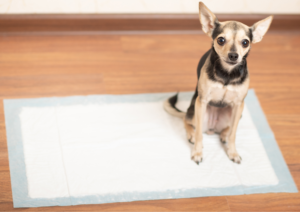
Potty training should begin the moment your puppy comes home. Waiting too long can lead to habits that are harder to break later.
Take your puppy outside frequently—after waking up, after eating, after playing, and before bedtime. Choose one specific spot and stick with it. When they go in the right place, reward them immediately so they connect the behavior with the outcome.
Accidents will happen. When they do, clean them up calmly and move on. Consistency matters more than perfection.
Teach Basic Commands Early
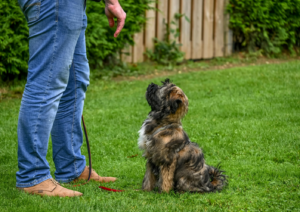
Simple commands help create structure and make daily life smoother. Start with:
- Sit
- Come
- Down
- Stay (introduced gradually)
Keep training sessions short and positive. Puppies have short attention spans, so a few minutes at a time is enough.
Focus on clear communication and reward effort, not just perfection. Over time, these commands become reliable tools for guiding your puppy’s behavior.
Introduce Crate Training
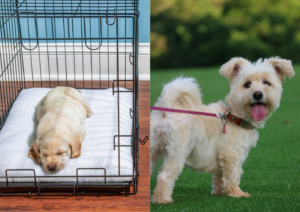
A crate can become a safe, comfortable space for your puppy if introduced correctly.
Start by making the crate inviting—add a soft bed or blanket and let your puppy explore it freely. Feed meals inside the crate and use treats to create positive associations.
Crate training helps with:
- House training
- Preventing destructive behavior
- Giving your puppy a place to relax
Never use the crate as punishment. It should feel like a safe space, not a place they’re sent when they’ve done something wrong.
Work on Leash Basics
Even before your puppy is ready for long walks, you can start introducing the leash.
Let them wear a collar or harness around the house so it feels normal. Then attach a leash and allow them to move around while you guide them gently.
The goal isn’t perfect walking right away—it’s getting your puppy comfortable and teaching them to stay close without pulling or resisting.
Build Good Social Habits
Early socialization plays a big role in how your puppy reacts to the world later on.
Expose your puppy to:
- Different people
- New environments
- Sounds and surfaces
- Other calm, vaccinated dogs
Keep experiences positive and controlled. You don’t need to overwhelm them—just give them steady, safe exposure so they learn that new things aren’t scary.
Teach Boundaries at Home
Puppies don’t automatically know what’s allowed and what isn’t. This is where clear boundaries come in.
Decide early:
- Are they allowed on furniture?
- Where do they sleep?
- What areas are off-limits?
Be consistent. If rules change from day to day, your puppy will get confused. Clear expectations help them learn faster and prevent problem behaviors from forming.
Address Biting and Chewing
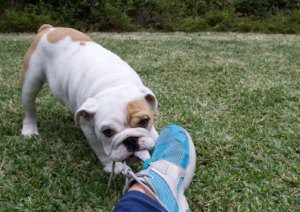
Puppies explore the world with their mouths, so biting and chewing are completely normal—but they still need guidance.
If your puppy bites during play, calmly stop the interaction. Redirect them to a toy they are allowed to chew. This teaches them what’s appropriate without creating fear.
Providing enough chew toys also helps reduce damage to furniture, shoes, and other household items.
Keep Training Short and Positive
One of the biggest mistakes new owners make is trying to do too much at once.
Puppies learn best through short, consistent sessions. A few minutes here and there throughout the day is far more effective than one long session.
Always end on a positive note. This keeps your puppy engaged and makes them more excited to learn next time.
Final Thoughts
The first things you teach your puppy aren’t about perfection—they’re about building habits, communication, and trust.
By focusing on the basics early—name recognition, potty training, simple commands, and structure—you create a strong foundation that makes future training much easier.
Progress may feel slow at times, but consistency pays off. Every small lesson adds up, shaping your puppy into a well-behaved, confident dog over time.
"*" indicates required fields
