
Key Takeaways
- A dog shaking in excitement is often a normal response to happiness, anticipation, and high arousal.
- Excited dog behavior usually includes a loose, wiggly body, a soft face, movement toward the trigger, and an open or relaxed mouth. A wagging tail should always be read with the dog’s full body language.
- Shaking can also come from cold weather, fear, anxiety, pain, low blood sugar, toxic substances, or a medical condition.
- Calm dog training, dog obedience, impulse control, calm greetings, and the place command can help a dog settle.
- Call a vet if shaking lasts a long period, happens at rest, or appears with vomiting, collapse, muscle weakness, fever, or other symptoms.
Introduction
Dog shaking excitement is one of the most common reasons owners ask why an otherwise happy dog is trembling or shivering. Many dogs shake when they become very excited or when they know something exciting is about to happen, such as playtime, greetings, car rides, walks, toys, or mealtime.
Still, context matters. Dogs shiver when they are cold, which is an involuntary response to help them warm up by generating heat through muscle contractions. Shaking in dogs can also point to fear, low blood sugar, generalized tremor syndrome, canine distemper, pain, motion sickness, or other health conditions. This guide explains what is normal, what needs medical attention, and how training can help your canine companion stay calmer.
Why Does Dog Shaking Happen in Excitement
Dog shaking excitement happens when the nervous system shifts into high gear. Heart rate rises, breathing picks up, muscles tense, and extra energy may show up as dog trembling, bouncing, whining, barking, or muscle twitching.
Shaking with excitement is usually seen in young dogs and is a normal physical reaction to an overwhelming feeling of happiness. It can be completely normal when the dog shakes for a short time, responds to cues, and settles quickly.
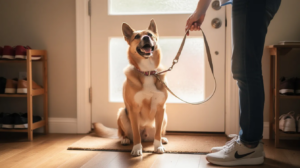
Common examples include a dog trembling at the front door after hearing keys, full-body shaking when guests arrive, or shaking on leash before a favorite walk in Fort Myers. Young dogs, high-energy dogs, and dogs with limited impulse-control training may show stronger reactions because they have not yet learned how to settle around exciting triggers.
A full-body shake known as a “shake-off” can occur after a stressful event, helping dogs reset their emotional baseline. This is usually healthy if affected dogs relax within a minute or two.
When Shaking May Be More Than Excitement
Not all dog shaking is harmless. To protect your dog’s health, look at the full picture: body language, trigger, duration, and other signs.
Excited shaking usually looks like this:
- Loose body, soft face, wagging tail, and quick engagement
- The dog is shaking near a clear trigger, such as food, a leash, a toy, or a guest
- The dog can respond to sit, down, recall, or place
- Shaking fades once the event calms down
Stress, discomfort, shaking, or illness may look like this:
- Tense posture, tucked tail, hiding, lip smacking, drooling, or avoidance
- Dog trembling at rest with no clear underlying reason
- Vomiting, diarrhea, collapse, confusion, pale gums, nose discharge, or trouble walking
- Muscle tremors, muscle weakness, joint pain, appetite changes, or reluctance to move
Shaking can be a sign of pain in dogs, including arthritis, injury, or old age. Pain dogs may also guard a limb, avoid stairs, or act withdrawn.
There are also medical causes. Low blood sugar can affect puppies, toy breeds, diabetic dogs, or dogs that have not eaten normally, and it should be evaluated by a veterinarian. Shaker syndrome, also called generalized tremor syndrome or steroid-responsive tremor syndrome, can cause head and body tremors. It is seen more often in small white dogs such as Maltese, Poodles, and West Highland White Terriers, but dogs of any size or color can be affected. Its exact cause is unknown, and veterinarians usually diagnose it after ruling out other medical causes.
Canine distemper is a viral disease that can cause shaking or tremors in dogs, especially unvaccinated puppies, and it can be fatal if not treated promptly. Keeping dogs fully vaccinated is important.
If a dog starts shaking suddenly after possible exposure to chocolate, xylitol, or birch sugar, nicotine, human medication, rodent bait, slug or snail bait, yard chemicals, moldy food, compost, or other toxic substances, treat it as a medical emergency and contact a veterinarian or pet poison hotline right away. Toxic exposures can cause tremors along with signs such as vomiting, drooling, trouble walking, seizures, or collapse.
How to Tell Excitement From Stress or Fear
Excitement and anxiety can look similar, so understanding a dog’s physical and emotional cues is essential to interpret shaking behavior appropriately. To differentiate between excitement shaking and shaking caused by anxiety or discomfort, look at the dog’s body language and context.
Excited dog behavior often includes:
- Wiggly hips
- Open mouth
- Bright eyes
- High or mid-height wagging tail
- Movement toward the person, leash, toy, or door
Fear or anxiety often includes:
- Tense body posture
- Tucked tail
- Pinned ears
- Whimpering, panting, hiding, or defensive behaviors such as lip-licking
- Freezing or moving away
Dogs may shake due to stress or fear during thunderstorms, fireworks, vet visits, loud noises, and unfamiliar environments. Shaking at the clinic is often anxiety, not excitement. Helpful support may include removing stress triggers, providing a safe space, or consulting a behaviorist.
For more on reading canine body language, see this guide from PetMD.
Common Triggers for Dog Shaking Excitement
Many dogs shake most when patterns are predictable. The food scoop, leash, car fob, toy closet, or doorbell can all signal something exciting.
Common triggers include:
- The owner arrives home from work
- Guests ringing the doorbell
- Walks around Fort Myers neighborhoods
- Car rides to parks or beaches
- Fetch, tug, and favorite toys
- Mealtime routines
- Family gatherings where multiple people call the pet at once
- Multi-dog homes where one dog’s barking raises everyone’s arousal
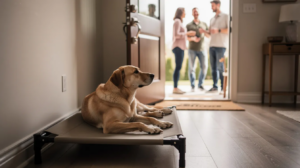
Mini-scenario: Your dog is calm in place. The doorbell rings. The dog starts shaking, whining, and bouncing because guests have become the reward. With practice, the dog learns that holding place calmly is what makes greetings happen.
How to Help Your Dog Stay Calm
Structure reduces overexcitement because the dog learns what to expect. Behavior modification can include teaching dogs calming tasks to manage excess energy or excitement.
Use the “calm before access” rule:
- Sit before the food bowl goes down
- Down before the ball is thrown
- Place before guests enter
- Wait before the doors open
- Calm leash manners before the walk begins
When dogs shake from happy excitement, and there are no signs of fear, pain, illness, or poisoning, reduce the intensity of the moment. Use a calm voice, slow movement, and simple cues. Avoid fast praise, squeaky voices, frantic petting, or immediately giving access to the leash, toy, door, or guest while the dog is still frantic.
Also consider temperature. Small dogs, thin-coated dogs, puppies, seniors, and dogs that are wet or exposed to cold may shiver more easily. Move the dog to a warm, dry area and use blankets for gradual warming. If the dog is lethargic, weak, confused, collapsed, breathing slowly, or does not improve after warming, seek veterinary care right away.
How Obedience Skills Help a Dog Stay Calm
Clear dog obedience gives a dog something specific to do instead of jumping, spinning, or shaking.
Useful skills include:
- Sit down for stillness before doors, meals, and toys
- Place command for calm greetings and guest arrivals
- Recall to call the dog away from overstimulating situations
- Heel and leash manners for calmer walks
- Leave it for food, toys, and distractions
Start in quiet rooms. Then practice with real-life triggers, such as family members coming home, leashing up, or preparing for a ride. Short sessions of 5 to 10 minutes once or twice per day work well for puppies, adolescents, and excitable adults.
Training Skills That Support Better Self-Control
Impulse control means the dog can pause and think before acting. That directly reduces dog shaking excitement during high-arousal moments.
Try these exercises:
- Sit and wait before meals
- Wait at thresholds, gates, and car exits
- Place while family members move around
- Leave it with toys or food on the floor
- Recall away from a toy before release
Reward strategy matters. Pay calmly with food, praise, or toys when the dog is relaxed and still. Withhold rewards when the dog is whining, pawing, jumping, or shaking violently from overexcitement.
Structured off-leash reliability and distraction-proof obedience are long-term goals that help dogs practice calm behavior anywhere, from quiet backyards to busier Southwest Florida locations.
Why Owners Should Avoid Rewarding Frantic Behavior
Dogs learn through association. If the dog is shaking, barking, and jumping, and then the leash clips on, the door opens, or the ball is thrown, the dog learns that frantic behavior worked.
Instead, pause. Wait for one second of stillness, eye contact, or a solid sit. Then move forward. If the dog cannot calm down, reset the situation or guide the dog back to its place.
Everyone in the home should follow the same rule: no petting, feeding, door opening, or toy throwing until the dog is under control.
When Shaking May Require a Vet Check
Any concern about a dog shaking should be discussed with a vet, because only veterinary care can diagnose medical causes and create a treatment plan.
Schedule a vet visit if shaking is new, sudden, intense, happens at rest, or continues after the exciting event ends. Seek urgent veterinary care if shaking appears with vomiting, diarrhea, collapse, confusion, fever, labored breathing, pale gums, difficulty using limbs, or signs of poisoning.
Nausea may cause shaking and can appear with lip licking, drooling, or vomiting. Motion sickness can also cause shaking during car rides. Health conditions such as kidney disease, liver disease, low blood sugar, tremor syndrome, canine distemper, and neurological disease all require professional evaluation.
Keep notes on when the shaking happens, what was happening, how long it lasted, and any other symptoms. That history helps the vet understand the pattern.
When Professional Training May Help
Even when shaking is not caused by a medical condition, chronic overexcitement can make daily life stressful. Professional training may help when a dog cannot calm down for guests, screams and shakes on leash near other dogs, or cannot settle at home even after exercise.
A practical training plan can focus on calm greetings, leash manners, recall, place command, impulse control, and real-world reliability. The goal is not to remove excitement. The goal is to teach the dog how to handle excitement with focus and self-control.
Final Thoughts
Dog shaking excitement is common around greetings, walks, toys, meals, and car rides. It is usually normal when the dog has happy body language and can settle afterward.
The key is context, body language, and overall health. With calm routines, clear obedience, and consistent impulse control work, most dogs can learn to handle exciting situations with more confidence and less frantic shaking. If your dog struggles with overexcitement or shaking, consider seeking professional help to build calm greetings, solid leash manners, and reliable obedience that support your dog’s well-being and reduce stress in everyday life.
Frequently Asked Questions
Is it normal for my dog to shake only when I come home?
Yes. Many dogs shake during reunions because your return is predictable and rewarding. Keep arrivals low-key, ask for sit or place, and greet once your dog is relatively still.
Can I comfort my dog when they are shaking from excitement?
Calm touch can help, but excited praise and fast petting can increase arousal. Use a low voice, slow movement, and simple cues like sit or place.
Will my dog grow out of excitement shaking?
Some young dogs settle with maturity, but many keep habits they practice daily. Training early helps prevent months or years of frantic greetings, though older dogs can still learn new patterns.
Does exercise stop excitement shaking?
Exercise helps, but it does not replace training. Combine walks, play, and mental enrichment with obedience around the exact triggers where your dog shakes most.
My dog only shakes at the vet. Is that excitement or fear?
It is often stress or fear. Watch for tucked tail, wide eyes, lip licking, hiding, or refusal to take treats, and ask the veterinary team about slower handling and low-stress visits.
