
Key Takeaways
- Dog growling is a normal form of communication and does not always mean a dog is aggressive. Growling may occur during play, fear, discomfort, frustration, pain, or conflict.
- Context, body language, and the surrounding situation help owners understand what a growl may mean.
- Owners should avoid punishing growling. Instead, create space, remain calm, and address the underlying cause through appropriate management, veterinary care when needed, and behavior support.
- Sudden changes in growling behavior, or growling accompanied by signs of pain or illness, should prompt a veterinary check and possibly professional training support.
Introduction
Dog growling is one of the important ways domestic dogs communicate with people and other dogs. Growling may occur during play, fear, discomfort, frustration, pain, or conflict. Reading the surrounding situation and the dog’s complete body language helps owners respond appropriately and reduce the risk of escalation.
This article covers the most common reasons dogs growl, how to read what the growling noise actually means, and practical steps you can use right away. You will also learn when it is time to seek veterinary or professional training help.
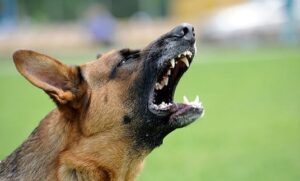
What Does Dog Growling Mean?
Growling is a normal part of dog communication. Dogs use it alongside posture, facial expression, and tail movement to share how they feel. A dog may growl out of fear, stress, frustration, pain, excitement, or playfulness. Dogs growl in a variety of contexts, not just out of aggression.
The same growling sound can have different meanings depending on the situation and the dog’s overall body language. A growl accompanied by stiffness, avoidance, a hard stare, or attempts to move away may indicate discomfort or a request for space. Some dogs also make low rumbling sounds during play or enjoyable interaction, but owners should rely on the full context rather than the sound alone.
Punishing a growl does not address the fear, pain, frustration, or conflict that caused it. Punishment may suppress an important warning signal or add stress to the situation, potentially increasing the risk of escalation. Growling can also occur during play, but owners should confirm that the dog’s body remains loose and that everyone involved continues to participate willingly.
Common Reasons Dogs Growl
Most dogs growl for a clear reason. Identifying the trigger is the first step toward helping your dog feel safer and respond differently over time.
Fear and stress. A dog that feels trapped by a stranger, startled by a loud noise, or crowded by another dog may growl as a warning signal. A scared dog is talking to you, asking for distance. Dogs growl to warn others when feeling threatened.
Pain or physical discomfort. A dog may growl when an injured, sore, or sensitive area is touched or approached. Schedule a veterinary examination when growling begins suddenly, appears during handling, or occurs alongside limping, stiffness, appetite changes, sleep changes, or other signs of illness.
Frustration. Frustration growling happens when a dog sees something it wants but cannot reach. A dog may growl on leash at another dog it cannot approach, or bark and growl at a door it wants to go through. Barrier reactivity is a common example of this during a walk.
Resource guarding and territorial triggers. Growling can indicate a dog feels threatened or is resource guarding. Growling can occur when dogs guard their possessions, including food bowls, chew bones, favorite toys, and beds. Some dogs growl when approached in their favorite spot.
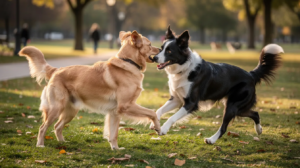
Play growling. Some dogs vocalize during tug, wrestling, or chase games. Healthy play generally includes loose movement, pauses, role reversals, and both dogs choosing to continue. Interrupt the interaction and create space if either dog becomes stiff, repeatedly tries to leave, hides, or no longer returns willingly to the activity.
Alert growls. A dog may growl after hearing an unfamiliar sound or noticing a person or animal outside. The behavior may reflect alertness, uncertainty, fear, territorial behavior, or heightened arousal, so owners should evaluate the dog’s posture and the surrounding situation.
Relaxed vocalizations. Some individual dogs make low rumbling or groaning sounds during petting or other enjoyable interactions. Breed alone does not determine what a growl means. Loose muscles, soft facial features, a voluntary approach, and the dog’s ability to move away help distinguish relaxed interaction from discomfort.
Reading Body Language and Context
Understanding body language helps interpret growling meaning. You must always read the growling sound together with what the dog’s face, body, and tail are doing.
Signs that may support comfortable play include:
- Loose, curved body movement
- Play bows, pauses, and role reversals
- Soft facial muscles and an open, relaxed mouth
- Both dogs repeatedly choosing to return to the interaction
Signs that the dog may need more space include:
- Sudden stiffness or freezing
- Turning away, hiding, retreating, or attempting to escape
- A hard stare, tightly closed mouth, lip lifting, or exposed teeth
- Weight shifting forward, snarling, snapping, or lunging
Raised hackles and tail movement indicate arousal but do not reveal the dog’s emotional state by themselves. Always consider the complete posture and situation.
How Owners Should Respond to Dog Growling
Managing a dog’s growl correctly is key to safety for people, children, other animals, and the dog itself.
When you hear a dog growl, pause. Avoid sudden movements, yelling, or reaching toward the dog or the object it is guarding. Create distance safely by stepping sideways, guiding children or visitors out of reach, or calmly moving another dog away.
When your dog growls, prioritize distance and safety before asking for obedience. Move people, children, or other animals away without reaching toward the dog or taking a guarded object. Once the dog has enough space to respond comfortably, a familiar cue or a treat trail may help guide the dog away from the trigger. Do not attempt food-based exercises around a guarded item without professional guidance.
After the situation is safe, consider what may have triggered the growling. Was it fear, pain, frustration, or resource guarding? Long-term improvement depends on addressing the specific cause through management, predictable routines, veterinary care when needed, and gradual behavior modification.
Using Obedience and Structure to Reduce Growling
Solid basic obedience (sit, down, stay, recall, heel, leave it) gives dog owners real tools to manage a growling dog around triggers like visitors, delivery drivers, or other dogs on walks.
Predictable routines, appropriate exercise, rest, and mental enrichment may support a dog’s overall well-being, but they do not directly resolve pain, fear, resource guarding, or aggression. Behavior work should address the specific cause of the growling.
For fear-based reactions, begin at a distance where the dog notices the trigger but can still remain comfortable, eat treats, and respond to the owner. Pairing the trigger with something the dog values may gradually improve the emotional response. Do not automatically reduce the distance during every session; progress only while the dog remains below threshold.
Controlled setups involving visitors, children, other dogs, or guarded resources should be planned with a qualified behavior professional when there is any bite risk. Off-leash obedience is not a substitute for leashes, barriers, distance, and other physical safety measures.
Mistakes That Can Make Growling Worse
Well-meaning but unhelpful responses can accidentally increase aggressive behavior or remove important warning signs.
- Punishing the growl. Scolding, intimidating, or physically correcting a growling dog does not resolve the underlying fear, pain, or conflict. It may suppress some warning behavior, increase stress, or make the situation less predictable. Create space first, then address the cause through management, veterinary care when needed, and an appropriate behavior plan.
- Ignoring clear warning signs. Continuing to approach, touch, or pressure a growling dog may increase the risk of snapping or biting. This is especially concerning when children are involved or when the dog is guarding food, toys, furniture, or another valued resource.
- Forcing interactions. Dragging a nervous pet up to a stranger’s hand or pushing dogs to “work it out” at a dog park when one dog is already growling is dangerous and can trigger a dog fight.
- Unpredictable handling. Confronting, grabbing, or attempting to force a dog away from furniture or another valued resource can increase conflict. Use predictable household routines and teach a voluntary cue, such as “off” or “come,” with rewards. Seek professional help if the dog stiffens, growls, snaps, or guards resting spaces from family members.
- Overarousal during play. Long or intense games without pauses may cause some dogs to become too excited or uncomfortable. Add regular breaks and end the activity if the dog becomes stiff, stops responding, attempts to leave, or shows signs of conflict.
When to Contact a Veterinarian or Trainer
Both medical issues and behavior patterns can influence growling. Seeking help early can reduce safety risks and make it easier to identify and address the underlying cause.
See your veterinarian if you notice:
- Sudden new growling in a previously calm dog
- Growling when touched in a specific area (hip, ear, mouth)
- Stiffness, limping, changes in appetite or sleep
Seek professional training when:
- Growling at family members is frequent or predictable
- Your dog guards food or toys from children
- Intense growling at other dogs on walks is getting worse
- Repeated warning growls occur around visitors or strangers
Behavior modification may be needed when a dog growls at family members, guards resources, or shows signs of escalating toward snapping or biting. Look for a qualified behavior professional experienced with fear, resource guarding, reactivity, or aggression who uses humane, reward-based methods. Cases involving significant bite risk may also require guidance from a veterinary behaviorist.
Seek guidance promptly when growling is increasing, involves children, occurs around valued resources, or progresses to snapping, lunging, or biting. A veterinarian can evaluate possible pain or illness, while a qualified behavior professional can help create a management and training plan matched to the dog’s triggers and safety needs.
Final Thoughts
Growling can be an important warning signal, but it may also occur during play or relaxed interaction. Paying attention to the situation, body language, and changes in normal behavior helps families respond more safely.
Understanding the circumstances surrounding a growl helps owners make better decisions in daily life. Do not feel ashamed or discouraged if your dog growls. Treat it as information that may point to a need for more space, better management, behavior support, or a veterinary examination.
FAQ
Is it normal for my dog to growl when playing with other dogs?
Growling can occur during wrestling, chasing, and tug without indicating aggression. Comfortable play usually includes loose movement, pauses, role reversals, and both dogs choosing to continue. Step in calmly if either dog becomes stiff, repeatedly tries to escape, hides, or stops returning willingly to the interaction. Do not rely on the sound of the growl alone.
Why does my dog growl at family members in specific situations?
Dogs often growl in predictable contexts, for example when being moved from the couch, disturbed while sleeping, or when a person approaches their food. This may indicate resource guarding, fear, or pain and should be taken seriously. Stop putting pressure on the dog in those moments, speak with your vet if there is any sign of hurt, and consult a trainer to create a structured plan.
Can training completely stop my dog from growling?
The goal is not to eliminate every growl but to understand and reduce the situations causing fear, pain, frustration, or conflict. Management and behavior modification may reduce problematic growling, but results depend on the cause and the individual dog. Obedience skills can support safety and communication, while medical or emotional causes require appropriate professional care.
Should I comfort my dog when it growls because it is scared?
Staying calm, speaking softly, and helping the dog move away from the scary thing is usually helpful. Gently rewarding calm behavior at a safe distance can change how the dog feels over time. However, repeatedly forcing the dog to face the fear can make growling worse. If fear-based growling at thunderstorms, strangers, or other situations is frequent, work with a professional on a structured desensitization plan.
Is it safe to correct my dog with a firm “no” when it growls?
Avoid correcting the growl with a firm “no,” harsh scolding, intimidation, or physical punishment. Increase distance, remove pressure, and prevent anyone from approaching the dog or guarded item. Once the situation is safe, use management and a professionally guided behavior plan to address why the dog felt the need to growl.
