
Many dogs love car rides, but for others, even the sight of an open car door triggers stress, shaking, or full-blown panic. If your pup struggles with car anxiety, you are not alone. With patient training, the right tools, and a clear plan, you can help your dog feel calmer and safer during car travel.
Key Takeaways
Car anxiety in dogs may be connected to fear, motion sickness, or a combination of both. Many dogs improve with gradual training, positive associations, safe travel routines, and veterinary support when physical discomfort or severe anxiety is involved.
- The most common signs of dog car anxiety include panting, whining, shaking, excessive drooling, pacing, and refusing to approach or enter the vehicle.
- Dog car anxiety may develop from motion sickness, limited positive exposure, sensitivity to noise or movement, or negative travel experiences such as stressful veterinary visits.
- Gradual exposure, positive associations with a car parked in the driveway, and structured entry and exit routines help your dog feel safer and start to enjoy riding in the car.
- Obedience skills like sit, place, stay, and recall build better car manners, and desensitization helps dogs associate cars with positive experiences.
- Some dogs will also benefit from guidance from a veterinarian or professional trainer, especially when anxiety is severe or linked to a medical condition.

What Causes Dog Car Anxiety?
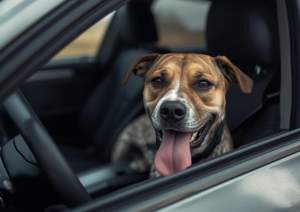
Dog car anxiety can begin when a dog approaches the vehicle, enters it, hears the engine, or feels the car begin to move. Reactions range from mild nervousness to intense fear or physical illness, and several causes may overlap. Identifying when the symptoms begin can help determine whether fear, motion sickness, or both are contributing.
Unfamiliar sensory input. Engine vibration, road noise, visual movement, and changes in balance can make car travel uncomfortable or overwhelming. Stimulation of the inner-ear balance system can contribute to motion sickness, while loud or unpredictable sounds may increase fear in noise-sensitive dogs. Repeated nausea during travel can also cause a dog to develop anxiety about the vehicle itself.
Negative association with past experiences. Dogs may associate car rides with negative experiences like vet visits, emergency trips, or stays at a boarding facility. If the vehicle only ever leads somewhere stressful, the dog can develop anxiety from those negative car associations over time.
Motion sickness as a physical cause:
- Motion sickness involves stimulation of the vestibular system in the inner ear and may cause nausea, excessive drooling, yawning, whining, uneasiness, vomiting, or diarrhea.
- Motion sickness is more common in younger dogs, possibly because the parts of the inner ear involved in balance are still developing. Many puppies improve as they mature, but some continue experiencing symptoms as adults.
- Repeated nausea can make car rides unpleasant and may create a learned fear of entering or approaching the vehicle.
- Sudden balance problems, head tilting, unusual eye movements, disorientation, or difficulty walking require veterinary attention and should not be assumed to be ordinary car anxiety.
Lack of gradual exposure. Dogs that have little experience with calm, positive car travel may feel uncertain around vehicles. Introducing the car through brief, low-pressure sessions can help a dog become more comfortable, but past illness, frightening trips, temperament, and individual sensitivity can also influence how the dog responds.
Signs Your Dog Feels Anxious in the Car
Recognizing your dog’s body language early gives you a chance to intervene before a fearful dog spirals into full panic. The sooner you spot stress, the more effectively you can adjust your approach.
Common signs of car ride anxiety include:
- Panting, whining, or barking (dogs may vocalize anxiety by whining or barking while in the car)
- Shaking or trembling
- Lip licking or repeated yawning
- Pacing or inability to settle
- Refusing to approach or enter the vehicle
Signs that may suggest motion sickness include:
- Excessive drooling or repeated swallowing
- Yawning, whining, uneasiness, or restlessness that begins once the vehicle moves
- Retching, vomiting, or diarrhea
Severe behavioral signs include clawing at windows, attempting to escape, or freezing stiffly in place. These indicate intense travel anxiety that may require professional support.
Track when your dog shows symptoms. Does stress begin before entering the car, when the engine starts, or only after the vehicle begins moving? This information can help you, your veterinarian, or a qualified trainer determine whether fear, motion sickness, or both may be contributing.
How to Help a Dog With Car Anxiety
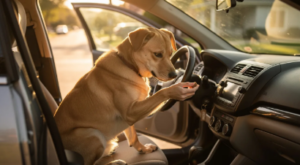
The goal is to help your dog build a positive association with both the parked car and moving car rides. Changing the association of car rides from stressful to rewarding is the foundation of reducing anxiety. This takes time, but each small step matters.
Create positive associations around the parked vehicle.
Desensitize your dog by slowly approaching the car over several sessions. Walk slowly toward the vehicle, and if your dog remains calm, use high-value treats to reward your dog near the car. Feed meals beside the car. Play simple games nearby. Let your dog associate the car with good things at their own pace.
Follow a gradual exposure plan:
- Begin at a distance where your dog can notice the parked car without showing significant stress. Reward calm behavior.
- Gradually move closer and practice approaching the vehicle with the doors open and the engine off.
- Allow your dog to enter voluntarily, then reward calm behavior inside the parked car.
- Introduce the sound of the engine only after your dog is comfortable sitting inside. Keep the session short and stop before anxiety increases.
- Begin with very brief movement, such as backing out of the driveway and returning.
- Progress to short trips to calm, positive destinations your dog enjoys.
Use small treats only when your dog is relaxed and is not showing nausea. Avoid feeding full meals in the running or moving vehicle when motion sickness is suspected.
Support comfort carefully. Pressure wraps, pheromone products, and other calming aids may help some dogs, but results vary and these products do not treat motion sickness. Ask your veterinarian before giving your dog any supplement, sedative, anti-anxiety product, or medication. CBD is not an approved treatment for anxiety in dogs, and questions remain about effective dosing, interactions, safety, and product quality.
Avoid forcing it. Do not push a fearful dog into the vehicle or continue training through intense panic. Overwhelming exposure can intensify fear, create a stronger negative association with the car, and make future training more difficult.
Training Better Car Ride Manners
Basic obedience can create safer, more predictable routines around the vehicle. Skills such as sit, wait, place, and release help manage entry and exit, but they do not replace treatment for motion sickness or severe fear. Dogs showing significant physical or emotional distress may need veterinary or behavior support in addition to obedience practice.
Sit and stay near the vehicle. Teaching a solid sit and stay supports calm entry and exit routines. Your dog learns to wait at the car door rather than pulling, jumping, or lunging the moment the door swings open. This structure benefits both you and your dog by keeping everyone safe.
The place command. Teach your dog a “place” cue tied to a travel mat or designated resting area. This gives your pup a clear location to remain during parked-car practice. Build the skill at home first, then introduce it gradually in the vehicle without assuming that remaining in place means the dog feels relaxed.
Recall for safety. A practiced recall is valuable, but it should not be the only protection against bolting in parking lots or rest areas. Attach the leash before opening the door, maintain physical control during entry and exit, and use a secure restraint or crate while the vehicle is moving.
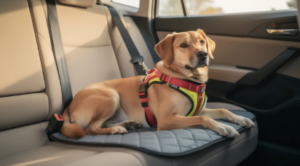
Safe restraints. Dogs should be properly restrained during travel with an appropriately fitted vehicle harness, secured carrier, or properly anchored travel crate. Restraints improve safety, but they should not be presented as a treatment for nausea. Look for products that have undergone independent crash testing, follow the manufacturer’s installation instructions, and choose the correct size for your dog.
Structured practice sessions. Run short, focused sessions: enter the car calmly, settle on place, wait quietly, then exit on a release cue. Offer praise for each step. Keep sessions positive, end before stress builds, and repeat several times a week. Short distances and low-pressure repetitions build consistent car manners over time.
When to Contact a Veterinarian or Trainer
Some car ride anxiety has a medical component, while other cases are mostly behavioral. Both deserve attention, and knowing when to seek help can save you and your dog a lot of frustration.
Contact a veterinarian if:
- Your dog suddenly develops car anxiety after previously traveling comfortably
- Your dog repeatedly drools, retches, vomits, or shows other signs of nausea during travel
- You notice signs of pain, an ear problem, head tilting, loss of balance, disorientation, or unusual eye movements
Collapse, breathing difficulty, loss of consciousness, or severe weakness requires prompt veterinary attention and should not be treated as ordinary motion sickness.
Consider professional dog training when:
- Gradual exposure at home is not improving car travel behavior after consistent effort
- Your dog’s fear leads to lunging, biting, or escape attempts
- You need a customized plan that addresses anxiety-related behavior patterns alongside car manners
A trainer experienced in fear and anxiety cases can help design a gradual plan that includes counterconditioning, confidence-building exercises, vehicle routines, and carefully controlled practice. Severe anxiety or suspected motion sickness should also be discussed with a veterinarian or veterinary behaviorist. The appropriate training format depends on the individual dog, and not every anxious dog is suited to a board-and-train environment.
If you feel stuck, reaching out for experienced help is a practical step toward helping both you and your dog travel more confidently.
Final Thoughts
Dog car anxiety can often improve with patience, safe equipment, calm routines, and an approach matched to the underlying cause. Read your dog’s signals, avoid force, and build positive associations so that car rides gradually become more predictable and comfortable.
Over time, gradual exposure, safe travel routines, and rewards for calm behavior can help many dogs become more comfortable with the car. Progress varies, especially when motion sickness or severe fear is involved. A successful session may simply mean approaching the vehicle, sitting inside briefly, or completing a short ride without increasing distress.
You do not need to tackle dog car anxiety alone. Professional training and veterinary guidance can support safer, happier travel for both you and your dog.
FAQ
How long does it take to improve a dog’s car anxiety?
Timelines vary because each dog’s history, health, temperament, and underlying cause are different. Some dogs show improvement after repeated low-pressure sessions, while others need longer-term training or veterinary support. Focus on short sessions and slow the pace if your dog shows increased stress. Seek professional guidance if progress stalls or the symptoms worsen.
Should I sit with my dog in the back seat to keep them calm?
During early moving-car practice, an adult passenger may sit near a properly restrained dog and calmly reward relaxed behavior. The passenger should not interfere with the driver or release the dog from the restraint. The driver must remain focused on the road, and reassurance from a passenger should support rather than replace gradual training.
Can I feed my dog before a car ride if they get motion sickness?
Feeding recommendations vary according to the dog, the length of the trip, and the severity of motion sickness. Avoid a large meal immediately before travel, and ask your veterinarian when and how much to feed if your dog regularly becomes nauseated. Use only small treats during training and stop offering food if your dog begins drooling, retching, refusing treats, or showing other signs of nausea.
Is music or white noise helpful for dogs with car ride anxiety?
Soft, steady background sound can help mask sudden traffic noises or engine rattling that might bother an anxious dog. Experiment with calm music or white noise at low volume and observe whether your dog appears more relaxed. Sound alone will not resolve dog anxiety and works best when combined with gradual exposure, positive reinforcement, and clear routines.
What should I avoid doing if my dog panics in the car?
Do not yell, punish, or physically force your dog into the vehicle. These reactions may increase fear and make future sessions more difficult. If severe panic develops while driving, pull over in a safe location, keep your dog securely restrained, and end the trip when it is safe and practical to do so. Return to an easier training step during a later session, and consult your veterinarian or a qualified behavior professional if intense panic continues.
