
The Dirt on Your Dog’s Digging Habit
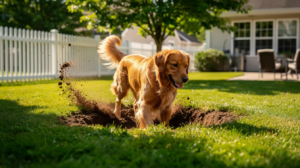
If your yard looks more like a construction site than a lawn, you are probably asking yourself why do dogs dig holes in the first place. The good news is that digging is not automatically a sign that something is wrong with your dog. In many cases, it is simply a sign that your dog is doing exactly what dogs have done for thousands of years.
That said, frequent or destructive digging can also point to boredom, pent-up energy, anxiety, or a lack of structure at home. Understanding the reason behind the behavior is the first step toward managing it in a way that works for both you and your dog.
This guide breaks down why digging happens, when it becomes a problem, and how to redirect it using calm, consistent dog training tips rather than punishment.
Key Takeaways
- Digging is a natural dog behavior rooted in instinct, not spite or stubbornness.
- Common causes include boredom, excess energy, anxiety, escape behavior, prey drive, and temperature regulation.
- Punishing a dog for digging often increases anxiety and can make the behavior worse.
- Daily exercise, mental enrichment, and structure go a long way toward reducing unwanted digging.
- Redirecting digging into an approved space is usually more effective than trying to eliminate it entirely.
- Persistent or destructive digging may benefit from professional dog training support.
Why Digging Is Normal Dog Behavior
Before looking at specific causes, it helps to understand that digging is not a behavior dogs invented out of boredom alone. It is built into their biology.
Dogs may dig to create a comfortable resting spot, hide or retrieve valued items, follow underground scents, or cool off in warm weather. Even though our dogs sleep on couches and eat from bowls, those instincts and motivations have not disappeared. Many dogs still dig because some part of them is wired to.
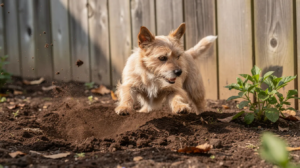
This is especially true for certain breeds. Terriers, dachshunds, and other dogs bred to hunt burrowing animals were literally developed by humans to dig. Asking a terrier to never dig is a bit like asking a Labrador to never want to swim. The instinct is part of the package.
Recognizing digging as a normal behavior does not mean you have to accept a yard full of holes. It simply means the goal is to manage and redirect the behavior, not to eliminate something hardwired into your dog.
Why Do Dogs Dig Holes?
So why do dogs dig holes specifically in your yard, your flower beds, or right next to the fence line? In most cases, one or more of these factors is at play.
Boredom and Lack of Enrichment
A dog left alone in the yard for long stretches with nothing to do will often find their own entertainment. Dirt moves, smells interesting, and provides a satisfying activity for a dog with time on their hands. Dogs without toys, games, or regular interaction are especially prone to this.
Pent-Up Energy
Digging burns energy, both physically and mentally. A dog that is not getting enough exercise may dig simply because they have energy that needs somewhere to go. This is common in younger dogs, working breeds, and high-drive dogs who need more than a quick walk around the block.
Anxiety, Stress, or Escape-Related Digging
Some dogs dig because they are anxious, not because they are bored. This can show up near fences, gates, doors, or other exit points, especially in dogs who struggle when left alone or separated from their owner. In these cases, digging is often paired with other signs of distress, such as pacing, whining, chewing, or repeated attempts to escape.
Escape-related digging deserves extra attention, since it can put a dog at risk if they get loose. If your dog is consistently digging under fences or gates, it is worth looking at what might be motivating that escape behavior, whether it is anxiety, a desire to roam, or something exciting on the other side of the fence.
Prey Drive and Breed Instinct
Dogs with strong prey drive may dig in response to scents or sounds underground, such as moles, rodents, or insects. This type of digging often looks focused and intense, with the dog sniffing, pawing, and fixating on one specific spot rather than digging randomly around the yard.
Temperature Regulation
In warm climates like Ft. Myers, digging can also be a simple response to heat. Some dogs dig shallow spots in shaded or cooler soil so they can lie down and feel more comfortable. If your dog tends to dig near shaded areas, under porches, or in cooler parts of the yard, temperature may be part of the reason.
When Digging Becomes a Behavior Problem
Occasional digging is normal. It becomes a behavior problem when it is frequent, destructive, or tied to underlying stress that needs to be addressed.
Signs that digging has moved beyond normal behavior include holes appearing daily, digging that targets fences or gates in an apparent attempt to escape, digging paired with other anxious behaviors, or digging that continues even when the dog has plenty of exercise and enrichment. Escape-related digging deserves extra attention because it can lead to injury or put your dog at risk if they get loose.
In these cases, digging is often a symptom of something bigger, such as unmet physical needs, unresolved anxiety, or a lack of structure and impulse control. Addressing the root cause tends to be far more effective than only managing the surface behavior.
How to Redirect Digging in a Healthy Way
Since digging is a natural outlet, the most realistic goal is often redirection rather than elimination. Giving your dog an appropriate place and reason to dig can significantly reduce unwanted digging elsewhere.
A few approaches that tend to work well:
- Create a designated digging zone. A sandbox or a loose-soil area in the yard gives your dog a place where digging is allowed. Burying toys or treats there can help your dog learn that this spot is the one worth visiting.
- Increase physical exercise. Daily walks, playtime, or structured activity help burn off the energy that often fuels digging.
- Add mental enrichment. Puzzle feeders, scent games, and training sessions in the yard give your dog a job to do, which can reduce the urge to dig out of boredom.
- Supervise outdoor time. Dogs that spend long stretches alone outside have more opportunity to develop digging habits. Supervised time allows you to interrupt and redirect digging before it becomes a pattern.
- Build structure into the day. Dogs that know what to expect and what is expected of them, tend to settle into calmer behavior overall. Structure and impulse control go hand in hand with reducing problem digging.
Dog Training Tips to Prevent Yard Digging
Beyond redirection, a few consistent dog training tips can help prevent digging from becoming a habit in the first place.
Start by reinforcing calm behavior in the yard. If your dog is calm and relaxed, give them attention and praise. This teaches your dog that calm behavior, not digging, is what earns your engagement.
Practice basic obedience and impulse control regularly, even in short sessions. A dog with strong foundational obedience tends to look to their owner for direction rather than entertaining themselves with destructive habits.
Avoid leaving your dog outside unsupervised for long periods, especially if digging has already become a pattern. The more opportunity a dog has to rehearse a behavior, the more ingrained it becomes.
Finally, be consistent. If digging is allowed one day and punished the next, your dog will struggle to understand what is expected. Clear, consistent boundaries paired with positive reinforcement tend to produce the most reliable results.
Why Punishment Can Make the Behavior Worse
It can be tempting to scold a dog after finding a fresh hole in the yard, but punishment after the fact rarely works. Dogs do not connect a correction minutes or hours later with the digging itself. Instead, punishment often creates confusion or anxiety around the owner’s presence.
This is especially counterproductive when the digging was driven by anxiety in the first place. Adding punishment on top of an already stressed dog can increase the very behavior you are trying to stop, sometimes leading to more digging, more escape attempts, or other anxious behaviors.
A more effective approach focuses on prevention, redirection, and reinforcing the behavior you do want to see, rather than reacting after the damage is already done.
When to Get Professional Help
Most digging can be managed with regular exercise, enrichment, and redirection. However, some situations call for additional support, particularly when digging is tied to escape attempts, separation anxiety, possible injury, or a broader pattern of behavior challenges that have not improved with basic management.
If your dog’s digging is frequent, destructive, or seems connected to stress rather than simple curiosity, working with a professional can help identify the underlying cause and build a structured plan around calm behavior, routine, management, and training. If the digging appears tied to separation anxiety, panic, injury, or sudden behavior changes, it is also wise to speak with your veterinarian or a qualified behavior professional.
Final Thoughts
Digging is one of the most natural behaviors a dog can display, and in many cases, it is not something to worry about. Still, understanding why dogs dig holes in your specific situation makes it much easier to respond in a way that actually helps. Whether the cause is boredom, energy, anxiety, prey drive, or heat, the path forward usually involves the same basics: exercise, enrichment, structure, and patient redirection rather than punishment.
With consistent dog training tips applied over time, most dogs can learn where digging is welcome and settle into calmer, more predictable behavior in the yard.
FAQs
Is it normal for dogs to dig holes in the yard?
Yes, digging is a natural behavior rooted in instinct, and many dogs do it to some degree. It becomes more of a concern when it happens daily, targets fences or gates, or appears alongside signs of stress.
Why does my dog dig right after I let them outside?
This can point to excess energy, excitement, habit, interesting smells, or even a cool spot your dog wants to lie in. Giving your dog a chance to exercise, play, or practice a short training routine before unsupervised yard time can reduce this pattern.
Can anxiety cause a dog to dig holes?
Yes, anxious or stressed dogs sometimes dig as a coping mechanism, especially near fences or gates. If digging is paired with pacing, whining, or escape attempts, anxiety may be a contributing factor worth addressing.
Should I punish my dog for digging?
No, punishment after the fact does not address the cause and can increase anxiety or confusion. A more effective approach focuses on redirection, supervision, and reinforcing calm behavior instead.
What is the best way to stop destructive digging?
There is rarely a single fix, since digging usually has more than one underlying cause. Combining daily exercise, mental enrichment, a designated digging area, and consistent structure tends to produce the best long-term results.
