
Key Takeaways
- Overexcitement is common and often triggered by guests, walks, food, toys, car rides, or other dogs.
- Calm routines, structure, and clear expectations are the foundation of calm dog training and better impulse control.
- Obedience skills like sit, down, place command, heel, and recall help channel a dog’s excitement into focused behavior.
- Avoid rewarding frantic behavior. Reward calm greetings, loose leash manners, quiet focus, and self-control.
- Some overly excited dogs benefit from professional dog obedience support, especially when distractions make behavior worse.
If you are wondering how to calm overexcited dog behavior, start by remembering this: an excited dog is not usually trying to be difficult. Excitement is normal, especially when a dog loves people, food, play, walks, or a favorite toy.
The goal is not to remove fun from your dog’s life. The goal is to teach your dog calm choices, so your happy dog can listen, think, and respond in everyday situations.
Why Dogs Become Overexcited in Everyday Situations
A dog’s excitement is a natural emotional state, not simply bad behavior. Overexcitement often happens when a dog anticipates something rewarding, such as attention, food, play, walks, guests, or other dogs. That anticipation can quickly turn into barking, jumping, whining, pulling, or ignoring commands.
Specific triggers vary by dog. One dog may spin when the leash comes out, another may whine in the car, and another may jump or bark when guests reach the front door. The pattern is usually the same: the dog sees a trigger, excitement rises, and calm listening becomes harder.
Many dogs also get overly excited when they hear a food bowl, arrive at the dog park, play fetch, meet other animals, or spot another dog on a walk. This excited behavior can look like barking, jumping, pulling, whining, pawing, charging, or ignoring commands.
Overarousal can happen in puppies, adolescents, and adult dogs. Genetics, energy level, early socialization, training history, and daily routine can all affect how quickly a dog becomes overexcited. Early training helps, but older dogs can still learn calmer habits with consistent practice.
Early dog training helps dogs understand what behavior is expected and gives them a calmer way to respond when life gets exciting. Dogs learn best through clear communication, consistency, fair boundaries, and rewards for the behavior you want repeated. The earlier those patterns are taught, the easier it is to prevent jumping, pulling, barking, and other rehearsed habits.
Watch body language as excitement rises. Stiff posture, wide eyes, a high tail, fast panting, fixation, and hard staring can show that your dog is close to losing control. In some cases, an excitable dog that cannot disengage from other dogs may create risk for a dog fight, so distance and structure matter.
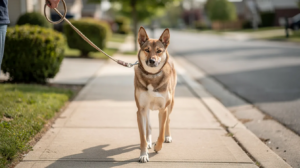
How to Calm an Overexcited Dog at Home
Home is where dog parents often build or accidentally reward over excitement. If pets get attention when they jump, bark, or paw, they learn that frantic behavior works.
To calm an overexcited dog, avoid reacting with high energy. Turn slightly away, keep your voice low, and wait for all four paws on the ground before giving attention. The goal is to show the dog that calm behavior earns interaction, while jumping, pawing, barking, and frantic movement do not move the situation forward.
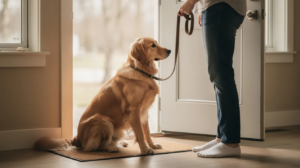
For calm greetings, keep your dog on a leash or guide them to a mat, bed, or crate if the crate is already a positive and comfortable space. Ask for a seat or place before guests interact. Guests should wait until calm behavior appears, then reward with treats, quiet affection, or a soft “good.”
For meals, ask your dog to sit or go to a place. Wait for stillness and eye contact before placing the bowl down. Using positive reinforcement for good behavior, such as treating a dog when it is calm, helps teach the desired behavior and encourages a more relaxed state.
For play, create rules. Start and stop games on cue. During fetch, tug, or chase-style play, call your dog back, ask for sit or down, reward the pause, and then release them back to the game. This teaches your dog that calm pauses are part of fun, not the end of it.
Physical exercise helps dogs burn energy in a healthy way, but exercise alone does not teach calm behavior. Walks, play, and movement should be paired with obedience, impulse control, and quiet routines so your dog learns how to settle after activity.
Mental stimulation is just as important as physical exercise. Scent work, food puzzles, obedience drills, and simple search games can help a dog slow down and focus. Try scattering a few treats in the grass, hiding food in a safe room, or asking your dog to find a toy. These activities give your dog a calmer job to do instead of reacting to every trigger.
End the day with a quiet routine. Teach your dog to go to a specific mat, bed, or place command when they become overstimulated. Reward stillness, quiet focus, and relaxed body language so your dog learns that settling is a skill.
Training Skills That Build Self-Control
Dog obedience is not about removing personality. It is about teaching an overly excited dog how to think before they act.
Focus on these skills:
- Sit: use before doors, food, leash clipping, and greetings.
- Down: use when your dog needs a more settled position.
- Place command: send your dog to a bed or mat while life happens nearby.
- Heel: reduce pulling and frantic scanning on walks.
- Recall: call your dog away from toys, kids, dogs, or other distractions.
Teaching foundation behaviors gives excited dogs clarity without relying on harsh corrections. Skills such as place, wait, leave-it, recall, sit, down, and loose leash walking help your dog pause, listen, and make better choices around stimulation.
Heel and loose leash work are important because establishing clear rules during walks can prevent dogs from becoming overly excited when encountering other animals or people. A well-practiced recall also builds focus because the dog learns that choosing the human is valuable.
Consistent practice builds impulse control like a muscle. Short sessions, clear rewards, and fair expectations help your dog respond before the excitement takes over.
How to Practice Calm Behavior Around Distractions
Once your dog can respond at home, practice around real-life distractions. Start easy in the yard, driveway, or a quiet Fort Myers-area street before moving near busy sidewalks, parks, or other dogs.
For calm greetings outside, ask for sit before a person approaches. The person should move slowly. Reward four paws on the ground, quiet focus, and relaxed body language.
For leash manners, work far enough away that your dog notices the distraction but can still respond. Reward eye contact, loose leash walking, and calm check-ins. If your dog pulls, barks, or cannot hear you, move farther away.
For recall, start with a long line in a quiet park. Call your dog away from mild distractions, then pay well with treats, praise, or play. Over time, add joggers, bikes, parked cars, and distant dogs.
Managing a dog’s environment and encouraging calm behavior through positive reinforcement can help soothe an overly excited dog. Staying calm yourself is crucial, as dogs can pick up on their owner’s emotions; a calm demeanor can help your dog relax. Reinforcing calm behavior with treats or affection when your dog is relaxed can help them learn to associate calmness with positive outcomes.
Structured play can channel a dog’s energy when it has clear rules. Use games like fetch, tug, or recall games with built-in pauses for sit, down, or place. If your dog becomes overexcited, lower the intensity, increase the distance from the trigger, or end the game before the behavior escalates.
Short sessions of 5 to 10 minutes usually work better than long outings that create constant stress. Practice in many environments because dogs do not automatically understand that a skill learned at home also applies near guests, traffic, parks, or other dogs. Keep training clear, consistent, and reward-based so your dog can learn without added fear or confusion.
Final Thoughts
Learning how to calm overexcited dog behavior requires consistent daily habits rather than quick fixes. Avoid rewarding frantic behavior and instead reinforce calm choices. Providing structure, routines, and clear obedience commands helps channel your dog’s excitement into self-control.
With patient training, regular exercise, mental stimulation, and consistent expectations, even an overly excited dog can learn to settle. When dog owners remain calm, communicate clearly, and reward appropriate behavior, everyday situations become more manageable.
If you need support with obedience, impulse control, or managing distractions, consider seeking professional guidance to help your dog become calmer and more focused in daily life.
The reward is a dog who enjoys guests, walks, food, toys, and other dogs without losing control of their excitement.
FAQ
How long does it take to calm an overexcited dog with training?
Many owners see small improvements within 1 to 2 weeks of consistent routines. More intense overexcitement may take several months of steady practice. Age, breed, energy levels, and how long the behavior has been rehearsed all affect the timeline.
Can an overexcited dog still enjoy play and exercise?
Yes. The goal is not to remove joy. The goal is to teach your dog to switch between play and calm on cue. Try fetch with sit breaks, tug with a clear release, or chase games followed by a settle command.
Is overexcitement the same as anxiety in dogs?
Not always. Overexcitement is often triggered by fun or anticipation. Anxiety usually involves worry or fear. If your dog trembles, hides, avoids people, or seems anxious in specific settings, consult a veterinarian or qualified trainer.
What if my dog only gets overexcited around other dogs?
Start at a distance where your dog can see other dogs but still respond. Practice heel, sit, focus, and recall with high-value rewards. Gradually decrease the distance while preventing lunging, barking, or dragging toward another dog.
Should I use calming products or tools for my overexcited dog?
Tools like long lines, front-clip harnesses, enrichment toys, or scent games can help, but they should support training rather than replace it. Ask a veterinarian before using supplements or calming aids.
