
Key Takeaways
- Trick training for dogs builds focus, confidence, impulse control, and better communication at home.
- Trick training is a form of mental exercise, not just party tricks. It can help reduce boredom and give dogs a healthy outlet for energy, but barking, chewing, digging, or destructive behavior may need a broader training plan.
- Short, positive training sessions with clear cues, food rewards, and consistent practice lead to successful trick training.
- Start in a quiet space, then slowly add distractions, other animals, friends, or kids as your dog improves.
- If focus, dog obedience, aggression, reactivity, or behavior concerns are getting in the way, professional dog training can help.
Introduction
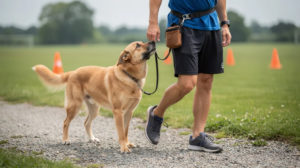
Trick training for dogs is a practical way to build focus, confidence, and mental stimulation through training at home. It does not require fancy equipment or long practice blocks. Most dog owners can start with a few treats, a treat pouch, and two to five minutes a day. For owners who need more structure, Off Leash K9 Training, Fort Myers can help build clearer communication and better obedience through a professional training plan.
Simple dog tricks like “touch,” “spin,” “shake hands,” “bow,” and “play dead” can support better dog obedience and everyday manners. These fun tricks teach your dog to watch you, listen for a verbal cue, follow a hand signal, and wait for a reward.
The best part is that tricks provide a fun way to strengthen the bond between dog and owner while building practical skills for real life.
Why Trick Training for Dogs Builds Focus
Trick training for dogs keeps a dog’s brain working. It gives your dog a job, channels energy into learning, and provides a helpful form of mental exercise alongside regular physical activity.
Good dog training asks the dog to notice your body, follow clear cues, control impulses, and choose the right behavior to earn rewards. Reward-based trick training can improve engagement because it teaches dogs to pay attention, follow clear cues, and repeat behaviors that earn rewards. Over time, this can strengthen communication and make training feel more enjoyable for both the dog and the owner.
That matters for everyday obedience. A dog that can focus during teaching tricks is often better prepared for sit, down, recall, leash manners, and calm behavior around distractions. Five to ten minutes of training at home can be especially useful during hot Florida months or rainy days when a long walk is not ideal.
Trick training provides a helpful mental workout that can support problem-solving, focus, and a stronger relationship between dogs and their owners. It may also help reduce boredom-related behavior when paired with enough exercise, structure, supervision, and clear household rules.
Trick training can also help some dogs build confidence because it gives them simple wins in a low-pressure setting. The idea is simple: learning should feel clear, rewarding, and enjoyable for the dog.
Simple Tricks to Start Practicing at Home
Start with easy, low-impact tricks based on your dog’s age, health, and confidence. Let your dog work at their own pace before moving to advanced tricks.
Luring is a technique that involves guiding a dog using a treat to achieve the desired position or movement. Shaping involves breaking down a complex trick into smaller, achievable steps and rewarding progression towards the final goal. Capturing relies on waiting for a dog to perform a behavior naturally, then marking and rewarding it immediately to reinforce the behavior.
Here are beginner tricks to teach:
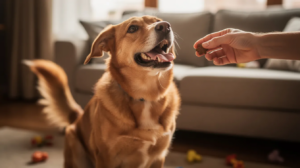
- Touch: Hold your hand a short distance from the dog’s nose. When the dog touches your hand, mark “yes” and reward. Later, practice at different heights to build body awareness.
- Spin: The spin trick involves guiding your dog’s nose in a circular motion with a treat until they complete a spin, which can be paired with the verbal cue “spin” for reinforcement. Reward when the dog completes the turn.
- Shake hands: Teaching your dog to “shake hands” is a simple and delightful trick that involves having your dog offer their paw for a handshake after being commanded to sit. Hold a treat in a closed fist, wait for paws or one paw to lift, then mark and reward.
- Roll over: Start with your dog in a down position and use a treat to gently guide their head to the side. Reward little progress, and skip this trick if your dog is older, stiff, uncomfortable, or has mobility concerns.
- Play dead: Begin with your dog lying down, then use a treat to guide them onto one side. Keep the movement slow and relaxed, and stop if your dog shows discomfort or frustration.
- Bow: Lure your dog so their front legs lower while their rear end stays up. This can be a fun trick for many dogs, but avoid forcing the position if your dog seems stiff, sore, or unsure.
Work on one new trick at a time. Revisit tricks your dog loves from previous days, celebrate small victories, and stop before the learning process becomes frustrating.
These simple tricks are not just for fun. They help dogs practice focus, patience, body awareness, and communication in a way that feels positive and manageable.
Common Mistakes to Avoid
When practicing trick training for dogs, avoid pushing your dog too fast or expecting perfection too soon. Dogs learn best at their own pace, and rushing can cause confusion or frustration. Inconsistent cues or rewards can also hinder progress, so always use the same commands and signals.
Avoid training in highly distracting environments at the start. Begin in quiet spaces before gradually introducing distractions like other animals, people, or noises. This approach helps your dog build confidence and focus.
Watch for signs of stress or fatigue, such as yawning, lip licking, or loss of interest. If these occur, end the session and try again later. Patience and positivity are key to successful training.
Final Thoughts
Trick training for dogs is a fantastic way to build focus, confidence, and impulse control while providing valuable mental stimulation. By practicing simple skills at home with clear cues, consistent rewards, and short sessions, you set your dog up for success and deepen your bond. Remember to start in quiet spaces before gradually adding distractions, and always move at your dog’s pace to avoid confusion or frustration.
If you want to enhance your dog’s obedience, focus, and communication skills, consider seeking professional training support. Expert guidance can help tailor a plan to your dog’s unique needs and ensure a positive, effective training experience for both of you. Take the next step toward a happier, more focused companion today.
FAQ
How long should training sessions be?
Keep sessions short, ideally between 2 to 5 minutes, to maintain your dog’s interest and prevent mental fatigue.
Can all dogs learn tricks?
Most dogs can learn some type of trick, but the right trick depends on the dog’s age, health, confidence, and motivation. Low-impact tricks like touch, place, or simple paw work are often better choices for puppies, senior dogs, or dogs with physical limitations.
What if my dog gets distracted easily?
Start training in a quiet, distraction-free environment. Gradually add distractions as your dog improves focus and obedience.
How important are treats in training?
Treats are very effective, especially high-value ones like small pieces of smelly or soft treats. They help reinforce positive behavior early on.
When should I seek professional help?
If your dog struggles with focus, obedience, fear, aggression, or reactivity, professional training can provide a safer and more structured plan. This is especially important when behavior concerns make practice stressful or difficult at home.
